Start with the garment brief
Define the garment, fit, wearing occasion and care requirements first. Use the individual guides to shortlist materials or decoration, then review the result on the intended garment. Agree any required performance testing and acceptance criteria separately.
Choose printing or embroidery for your garment
Start with the intended finish, garment and fabric. Compare an actual sample before approving production.
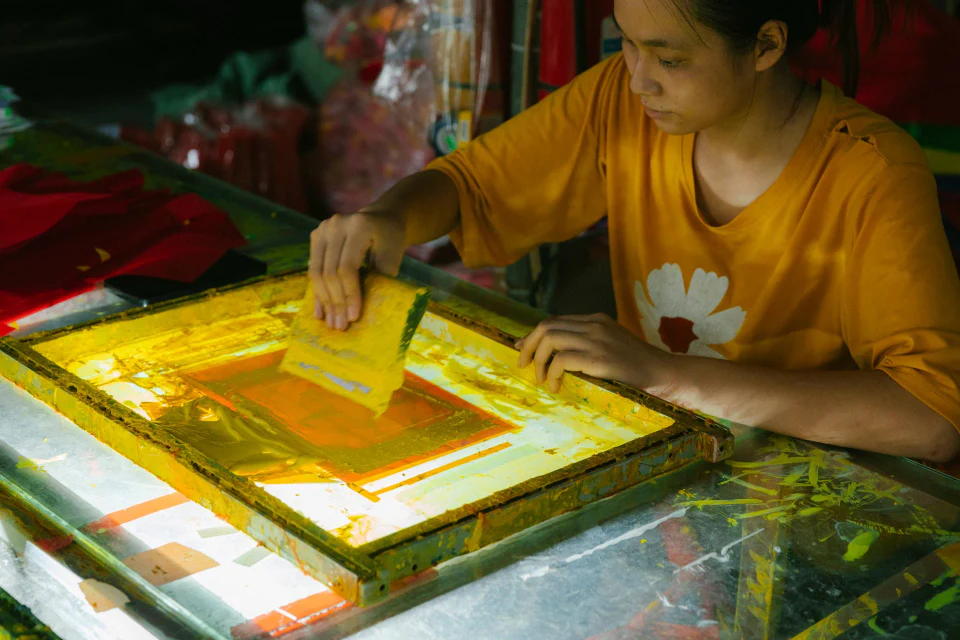
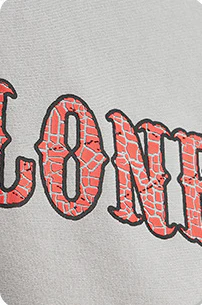
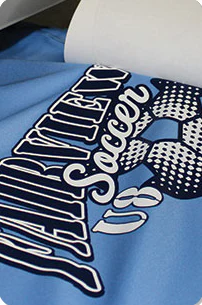
- Screen printing: A starting point for solid logos and lettering on T-shirts, sweatshirts and teamwear. Confirm the ink system against the actual fibre composition, finish and stretch.
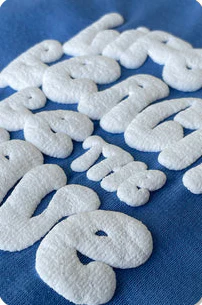
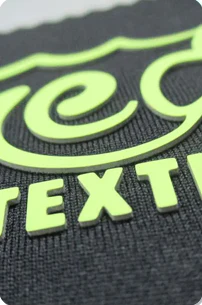
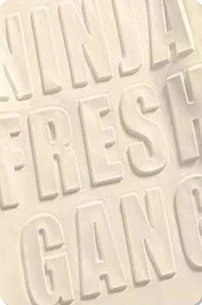
- Puff printing: Consider bold lettering and simple motifs on T-shirts and hoodies. The fabric must tolerate the chosen curing process; test stretch and recovery with the finished print.
- Raised screen printing: Consider raised logos or lettering on sweatshirts and other suitable garments. Agree the desired height and flexibility on the actual fabric before approving the effect.
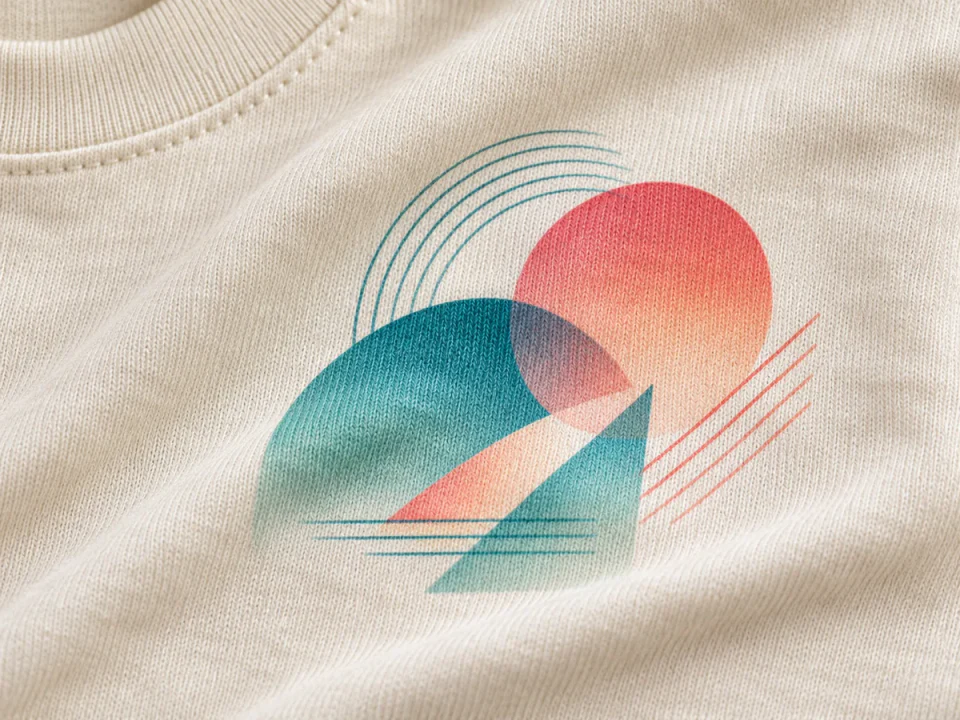
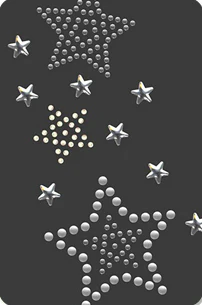
- Heat transfer printing: Consider prepared graphics for T-shirts, hoodies or sportswear, subject to transfer and fabric compatibility. The term covers different transfer materials and processes.
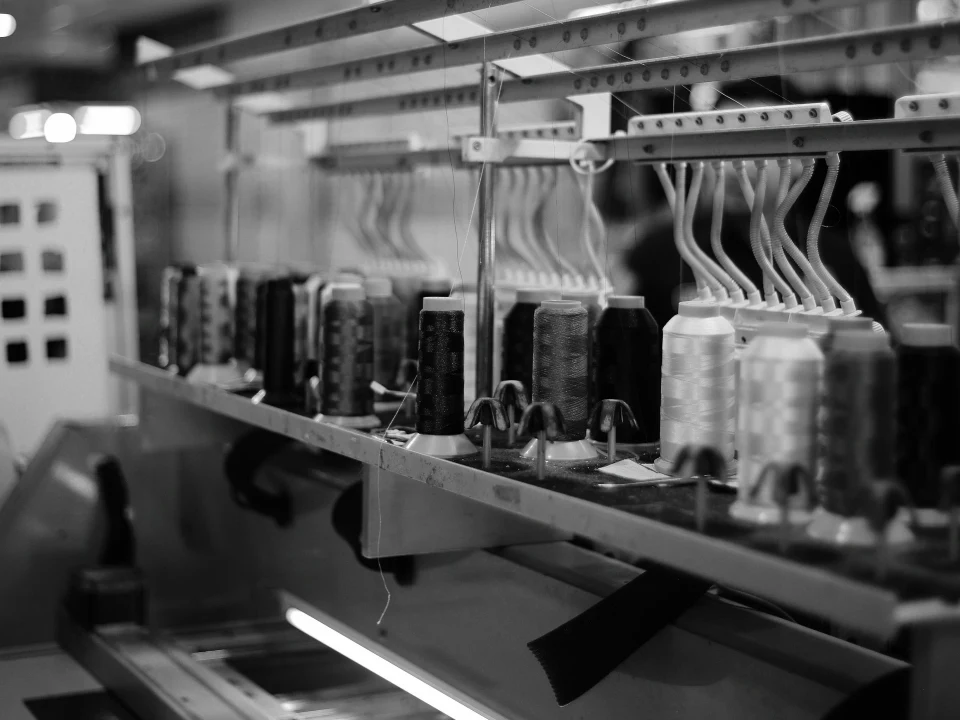
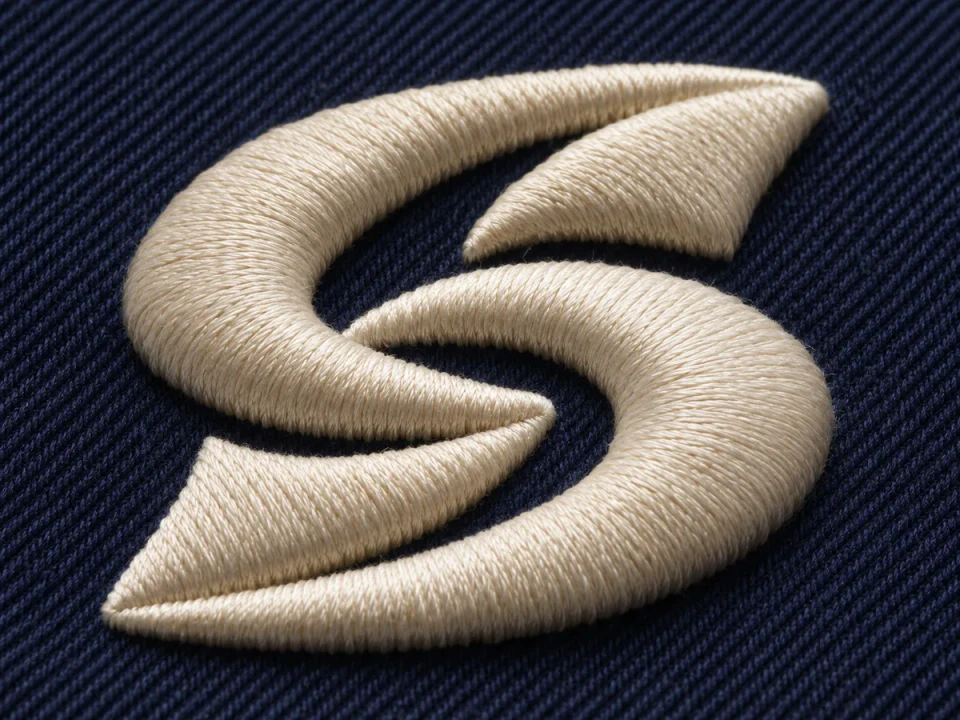
- Embroidery: Consider stitched logos on polos, sweatshirts, shirts or caps. Fabric weight, stretch, backing and access to the embroidery area determine the suitable stitch plan.
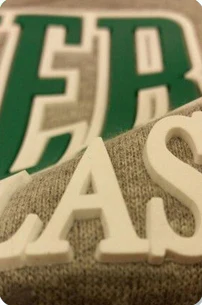
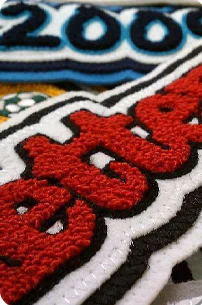
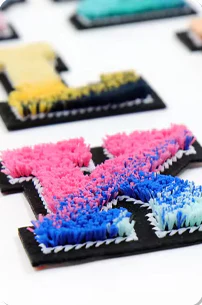
- Chenille patch embroidery: Consider textured letters and badges on sweatshirts, hoodies and jackets. Confirm whether the patch is stitched on or attached by another agreed method.
Questions before sampling
What should I send for a sample?
Send the artwork, finished dimensions, placement, colour samples, fabric composition and weight, size range and intended quantity. Include the target market and care requirements.
Can a photograph confirm wash durability or a production price?
No. A photograph shows appearance, not tested durability or a fixed quotation. Agree the sample, test method and acceptance criteria; confirm price and lead time against the actual brief.
Explore the techniques below, then share your artwork and garment brief.
Approve the finish on the actual material
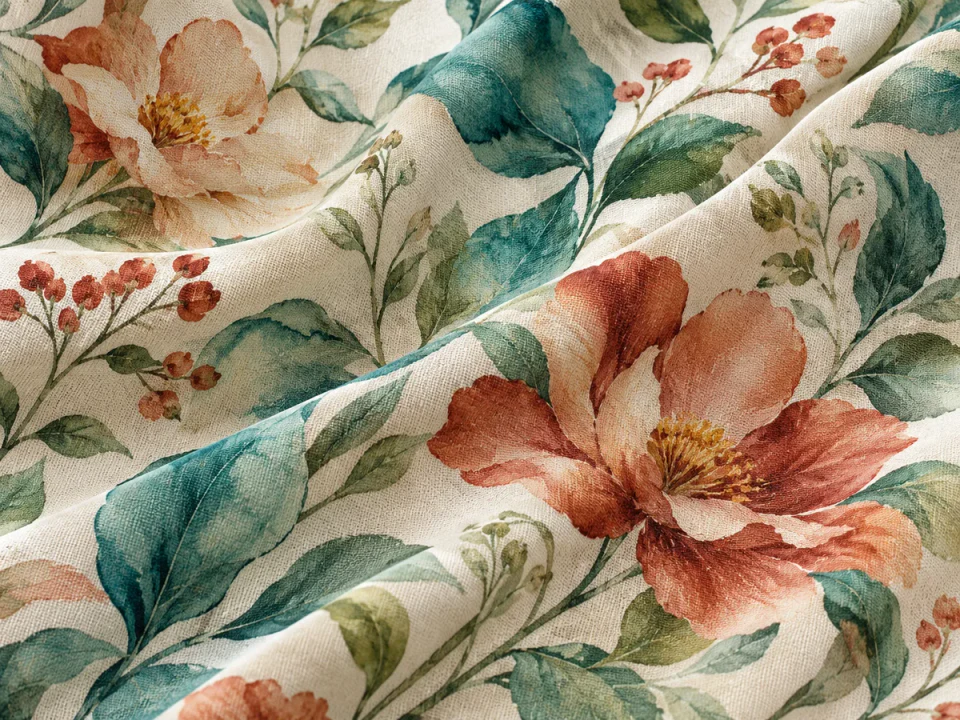
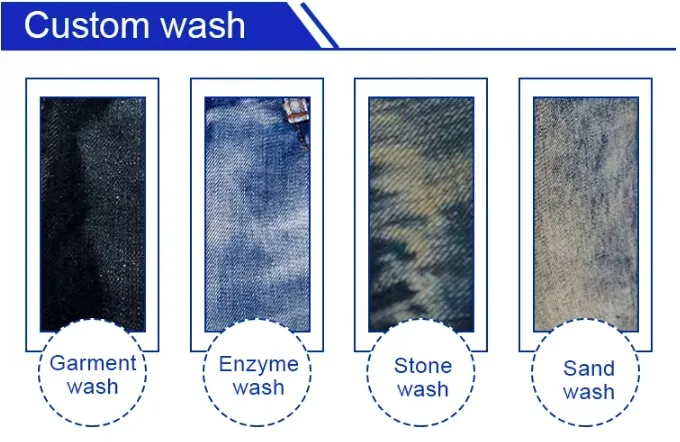
Printing, embroidery and washing interact with the garment fabric. Compare motif size, placement, colour, surface feel and the reverse side, rather than choosing from a close-up image alone.
- Provide editable artwork, dimensions, placement and colour samples.
- Confirm fabric composition, stretch and the intended wash-care instructions.
- Agree checks for appearance, adhesion, distortion or colourfastness where relevant.
Images on samples pages illustrate visible effects and are credited where applicable. Confirm the process through a sample before production. Review material choices and inspection requirements, then share your artwork and garment brief.
Continue your material and process brief
Clothing fabric selection guide