Yumulin

Standard Production Process

Follow a clothing order from the product brief to sample approval, bulk production, inspection and dispatch.

A clear sequence from brief to shipment

Each stage needs an agreed input and approval before the next handover. The sequence below is a planning framework; confirm the actual milestones for your style, material and order.

  1. Product brief

    Define garment use, references, quantities and delivery requirements.

  2. Technical development

    Confirm measurements, construction, material and branding specifications.

  3. Sample review

    Record fit and construction comments, then approve the production reference.

  4. Material readiness

    Approve fabric, trims, colour and packing references for the order.

  5. Bulk production

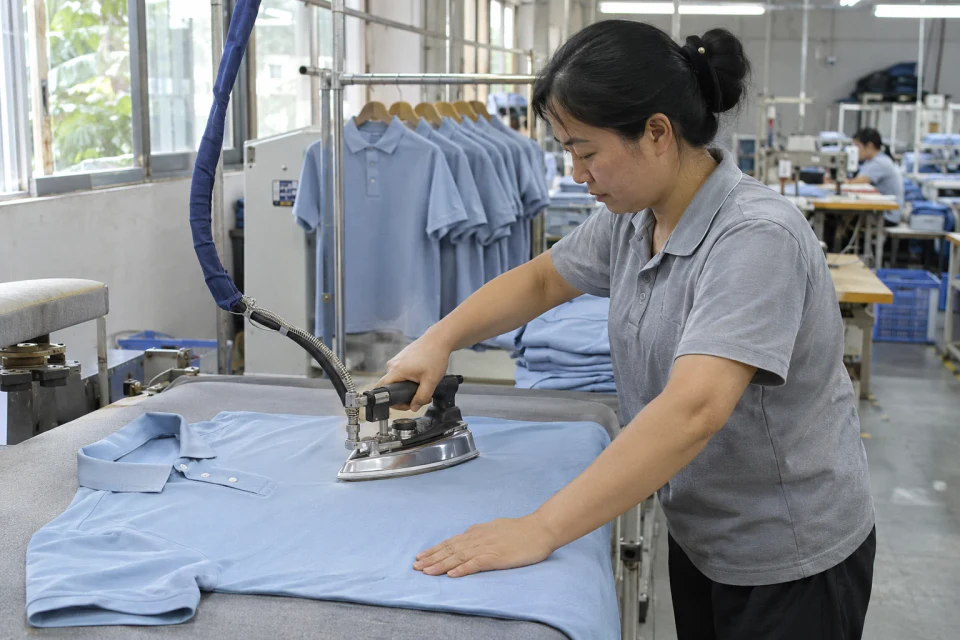
    Arrange cutting, sewing and finishing against the confirmed version.

  6. Quality review

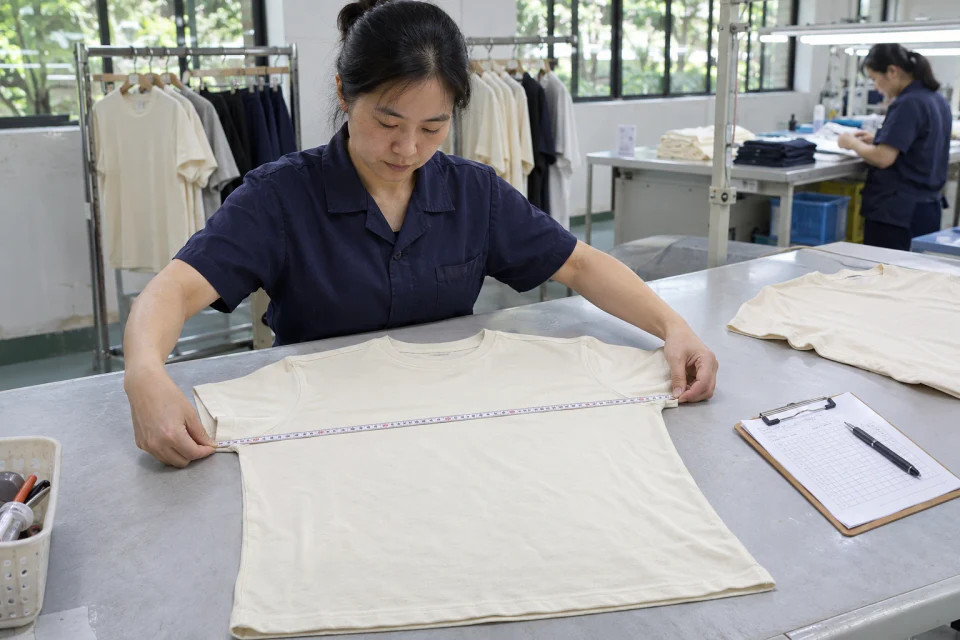
    Record agreed in-line and final checks, corrective action and release.

  7. Packing & dispatch

    Match labels, carton allocation and documents before shipping handover.

From a garment idea to a brief that can be sampled

A sketch shows the direction; a usable development brief explains how the garment should fit, feel and be made. Start with the customer and wearing occasion, then record the material, measurement and construction decisions that a sample must resolve. Agree the development scope and responsibilities before work begins.

What to send for this stage

  • Reference images or a sample, with features to retain or change.
  • Front/back drawings, measurement points, size range and fit intent.
  • Fabric composition, weight, colour references and intended care.
  • Artwork, labels, quantity breakdown, target cost and destination.

How the stage is carried out

  1. Review references and identify information still needed.
  2. Compare material and trim choices against use and construction.
  3. Document the measurement method, construction and artwork placement.
  4. Agree the sample scope, revisions, quotation basis and approval owners.

Records to agree and review

  • A versioned brief and measurement specification for the requested garment.
  • A material and trim direction, plus items that still require swatch approval.
  • A list of sample objectives, open decisions and agreed development charges.

Continue with the approved references

Resolve the open decisions on the first sample rather than treating a drawing as bulk approval. Continue to sampling with one agreed brief and a consolidated comment process.

A tech pack connects design with manufacturing

Record front and back views, seam and opening details, the bill of materials and measurement points. Describe the intended fit rather than relying on a size label such as M or L. Include label positions, artwork dimensions and folding requirements when relevant.

Mark every revision and identify which reference governs when two files disagree. If you only have a physical reference, list what should change and agree who will prepare missing specifications. Start with our OEM route for defined specifications, or discuss ODM when the collection still needs development.
Material choices affect fit, sewing and branding

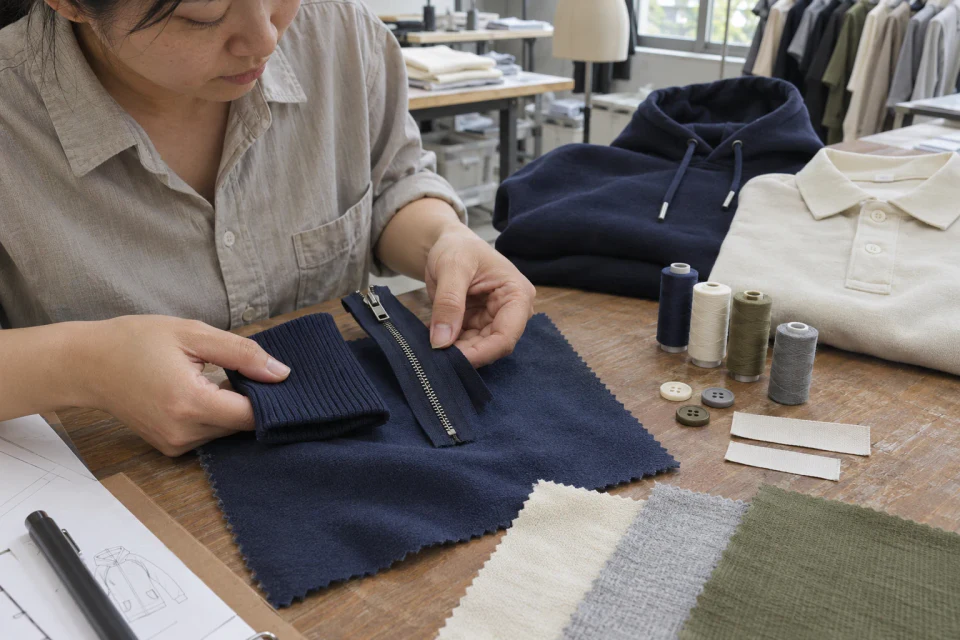
Compare composition, construction, weight, stretch, opacity and hand feel together. For a training top, consider movement and intended care; for a polo or casual sweatshirt, also assess collar stability, drape and the surface needed for decoration. Use swatches to narrow the choice.

A change in fabric can change garment dimensions, seam behaviour and logo application. Carry those decisions into sampling and agree any performance testing separately. Browse the fabric and craft references, then approve the proposed combination on a garment sample.
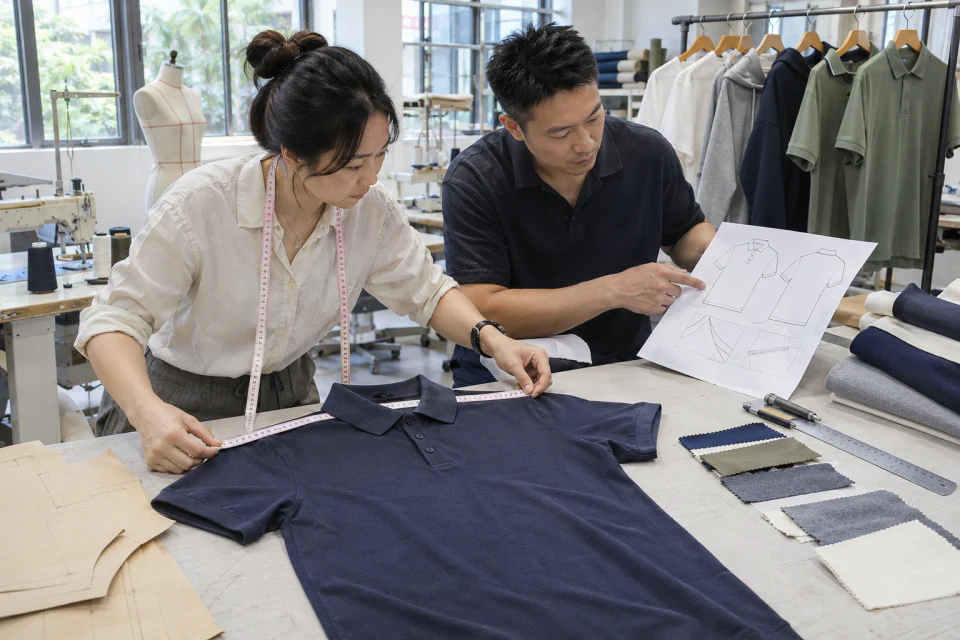
Make the development decision visible before sampling

Confirm what is included: specification preparation, pattern development, the requested sample types and the review process. List who provides artwork and who approves fit. Agree the quotation against the scope rather than assuming that every revision or custom material is included.

Keep design permissions and any requested exclusivity in writing. A reference image does not automatically establish rights to reproduce another brand’s protected artwork. Share your own brand requirements and the features you want to achieve so the development discussion stays specific.
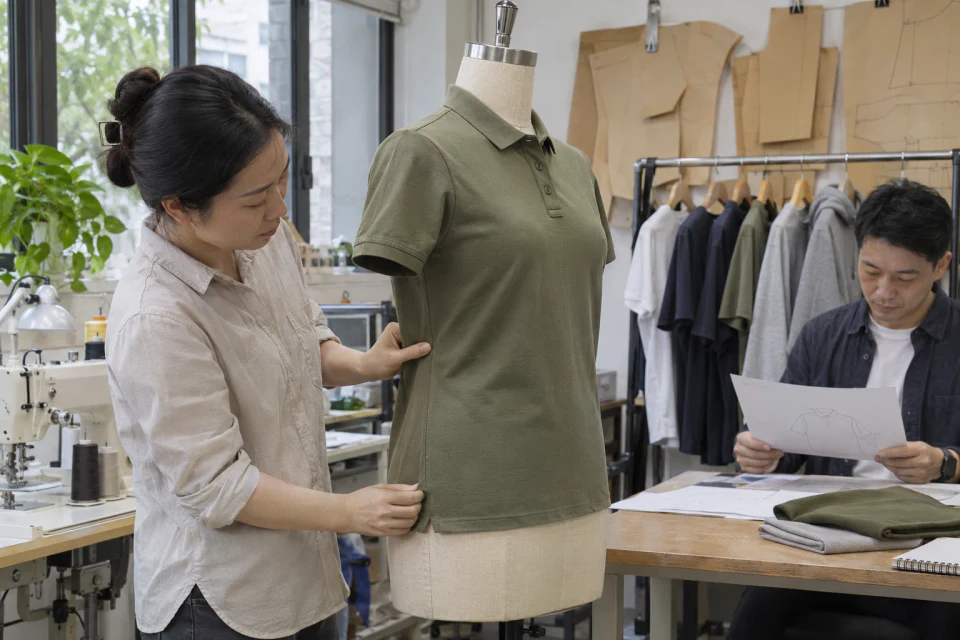
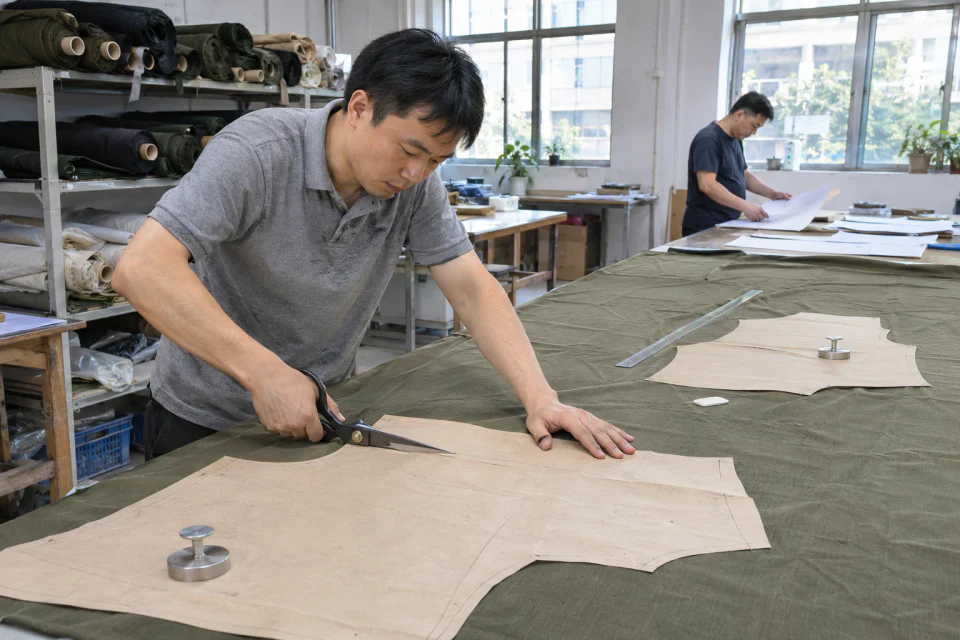
Approve the sample before scaling the order

Sampling reduces uncertainty about fit, materials and workmanship. Bulk production needs a further agreement on the approval version, colour-size quantities and material readiness. Discuss each sample’s purpose and the order conditions with Yumulin instead of treating a sample photograph as the complete production instruction.

What to send for this stage

  • The agreed brief, measurement chart, material and artwork references.
  • One consolidated sample comment sheet with version and photos.
  • Quantities by style, colour and size, plus label and packing requirements.
  • Required arrival date, destination and inspection requirements.

How the stage is carried out

  1. Make development samples to resolve the specified fit and construction questions.
  2. Review changes, size grading and the sample material against the brief.
  3. Approve bulk references and confirm material readiness, price and schedule.
  4. Track agreed cutting, sewing and finishing checkpoints; review changes before use.

Records to agree and review

  • An identified approval sample with the matching specification revision.
  • A style-colour-size allocation and material/trim confirmation record.
  • An agreed production schedule, inspection points and change process.

Continue with the approved references

Carry the approved sample, specification and packing brief into inspection. Production completion and shipment release are separate decisions; inspection findings may require correction before dispatch.

Each sample should answer a specific question

A development sample explores construction and shape. A fit review checks proportions and measurements; a size set reviews grading across selected sizes. A pre-production sample records the intended bulk execution. Names vary, so agree the purpose, materials and approval scope in writing.

Record if sample fabric or trims differ from the proposed bulk material. An approval should state what was accepted and what still needs confirmation. Ask for another sample or agreed evidence when a change can affect fit, construction or branding.

Plan cutting and sewing from the approved version

Bring together the measurement specification, material references, size quantities, decoration placement and workmanship requirements before the run. Use an identified reference sample and change record so different teams do not work from conflicting instructions.

Discuss material-lot and shade checks, component matching and in-process review points appropriate to the garment. Decoration, sewing and finishing may interact; review the finished garment rather than judging each component only in isolation.

Separate sample timing, production and delivery

A useful schedule includes material preparation, sample comments, approvals, bulk work, inspection and dispatch. State when the production lead-time starts and which buyer decisions are required first. Confirm the plan for the actual style and quantities; a previous order is only a reference.

Send post-approval changes as a written request and review effects on material commitments, cost and timing. Confirm repeat orders against the current specification, shade and supply conditions. Your quotation should identify the scope rather than promise one universal MOQ or lead time.

The right garment, in the right carton, with matching documents

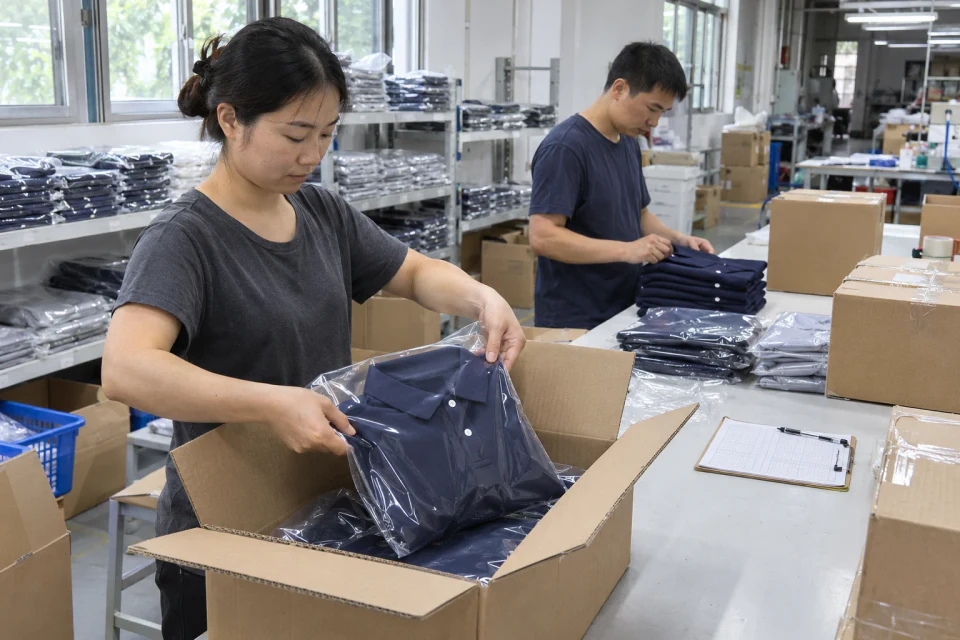
Shipment preparation connects the approved garment with the buyer’s receiving process. Folding, labels, assortment and carton data should be agreed before dispatch. Keep production completion, inspection release, freight handover and destination arrival as separate milestones when discussing delivery.

What to send for this stage

  • Folding, individual bag, hangtag and barcode instructions.
  • Style-colour-size assortment, carton limits and carton marks.
  • Consignee, destination, receiving rules and forwarder contact.
  • Agreed trade term, named place, document requirements and responsibilities.

How the stage is carried out

  1. Confirm one complete labelled and packed garment as the reference.
  2. Verify assortment, carton counts, marks and packing-list data.
  3. Review invoice and required shipment documents for consistency.
  4. Confirm release, freight handover and available tracking information.

Records to agree and review

  • Agreed packing instructions and the style-colour-size carton allocation.
  • Packing-list and invoice information checked against shipment quantities.
  • Confirmed handover information and applicable transport documents.

Continue with the approved references

Share the destination, order allocation and receiving requirements with the enquiry. Freight, insurance, duties, taxes and customs responsibilities follow the agreed delivery arrangement and need to be confirmed for the shipment.

Approve packing as one complete retail unit

Review garment folding, protection, hangtags, labels and the individual bag together. Include any warehouse or retailer instructions on assortment, scanning and handling. A good-looking bag alone does not confirm that the packed unit meets the buyer’s receiving rules.

Agree who provides barcode data and final artwork, and check the readable content and placement before the run. If recycled or other packaging claims are requested, identify the material specification and appropriate evidence rather than relying only on the packaging’s appearance.

Build a packing list that matches the cartons

Set the carton numbering and assortment rules before packing. Record style, colour, size and quantity by the required carton allocation, together with package counts, weights and dimensions as applicable. Keep corrections controlled when quantities or cartons change.

Cross-check the commercial invoice, packing list and freight instructions. Ask the responsible forwarder and importer which documents and product information are needed for the destination. Do not assume one universal document set works for every route or receiving market.

Agree freight responsibilities before the goods leave

Compare courier, air and sea options using the actual shipment size, chargeable weight or volume and required arrival date. Check what each quotation includes and excludes. Production lead time, transit estimates and customs clearance are different parts of the plan.

Write the agreed trade term, named place and applicable version into the order. Confirm freight booking, insurance, customs, destination charges and delivery contacts. Keep a handover reference and a clear route for reporting shortages or transport damage with photos and carton identification.

A practical checklist for your order

Use these as a project discussion checklist; the documents, scope and fees are agreed for the actual order.

RecordDetails to confirm
Packed sampleFolding, artwork, barcode and protection approval.
Carton allocationStyle-colour-size quantities, carton marks and package data.
Shipment handoverInvoice/packing-list references and agreed delivery responsibilities.

Explore related topics: Private-label branding · Order & payment guide · Garment inspection · All manufacturing FAQs

Questions about this stage

Packing & delivery

What should garment packing instructions include?

Specify folding, individual bags, labels, barcodes, size and colour assortment, carton limits and carton marks. Include retailer or warehouse instructions if relevant. Approve a complete packed sample and a packing list format before dispatch.

Why should the delivery term include a named place?

Record the agreed trade term, named place and applicable version in the order. Confirm who arranges freight, insurance, customs procedures, duties and destination handling. Avoid using a short term or an informal “shipping included” statement as the whole agreement.

Which documents should be checked before garment dispatch?

Agree the documents required by the shipment, destination and buyer, such as the commercial invoice and packing list. Cross-check product descriptions, quantities, weights, package marks and parties’ details. Confirm any additional origin, certification or transport documents with the responsible logistics and import parties.

Tell us what your business needs to produce

Category (Select multiple)
Estimated quantity (Select one)
Business type (Select one)
Attachments (optional)
Phone / WhatsApp
Review inquiry list (0)

Your inquiry list is empty. Add products you would like to discuss.

Custom Apparel Product References