Yumulin

ODM Development

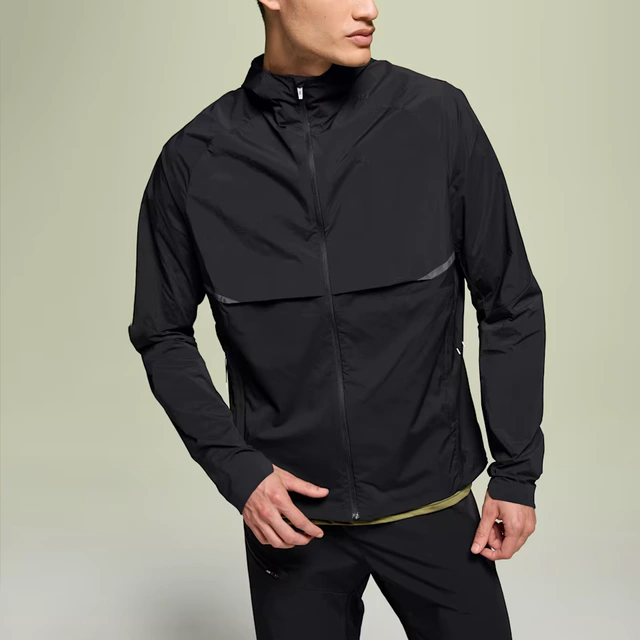
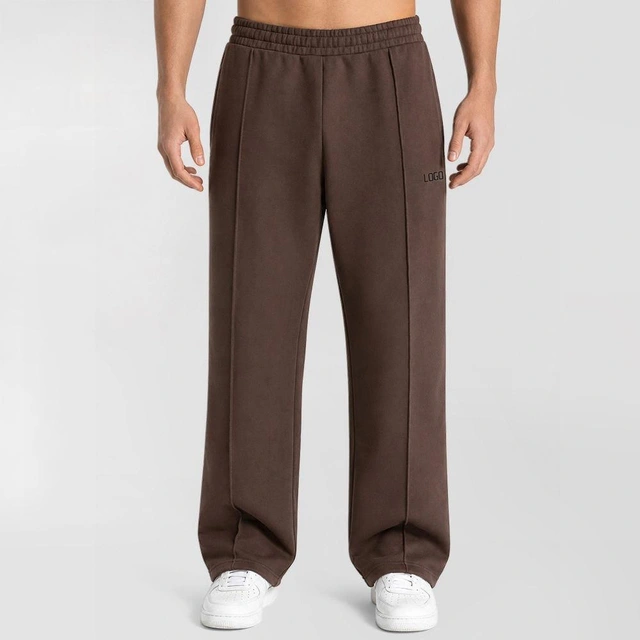
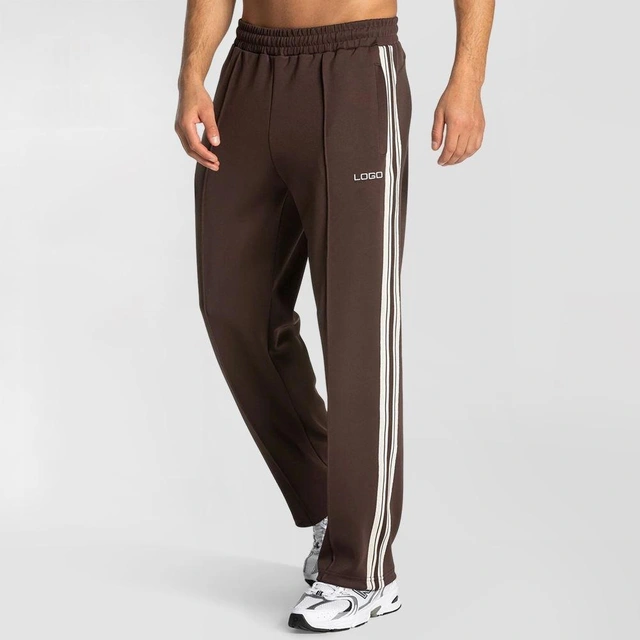
Start with a collection idea or reference style. Develop fabric, fit, construction and branding with Yumulin, then review samples before committing to production.

What you provide
A catalogue style or reference images, with your collection direction and requested changes.
What we develop
A customised style with confirmed fabric, fit, branding and production specifications.

Build a collection from a clear direction
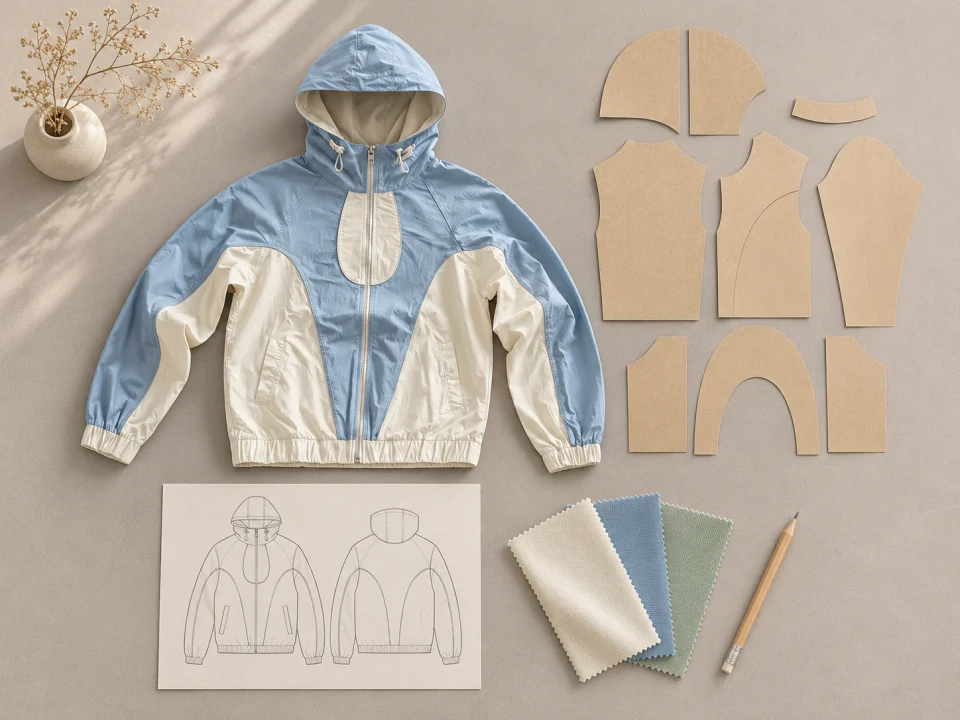
  • Choose a starting styleChoose a starting style

    Share reference styles, intended wear and your customer profile. A reference starts the discussion; it is not a finished production specification.
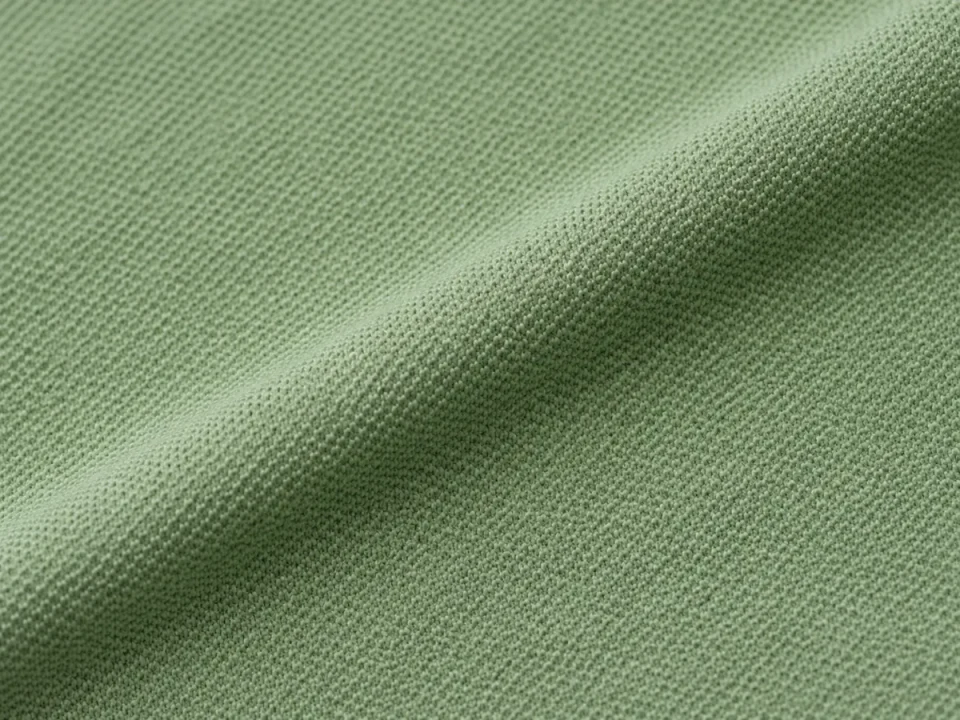
  • Refine fabric and fitRefine fabric and fit

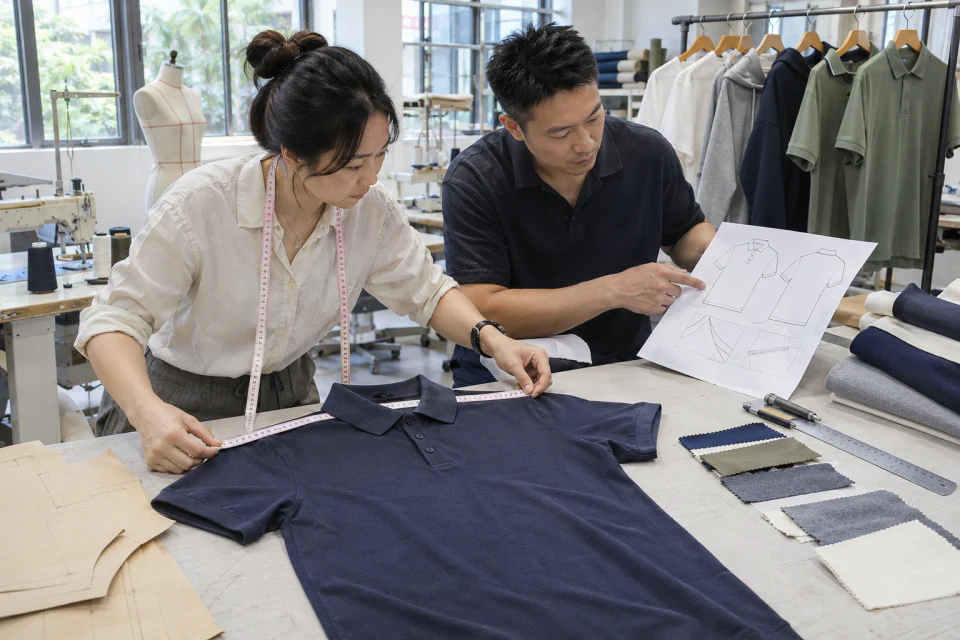
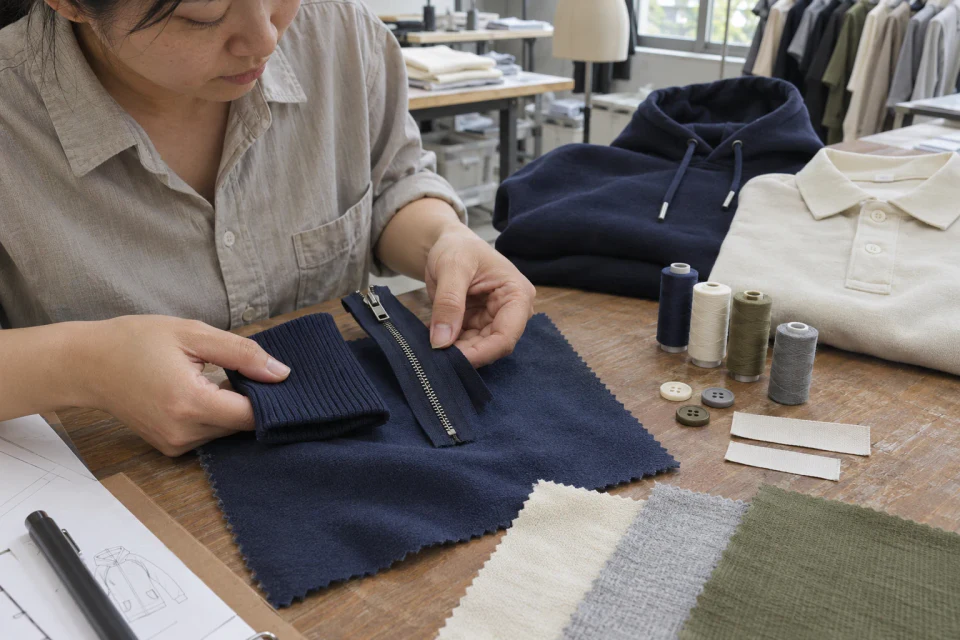
    Compare fabric swatches and review measurements on a sample. Decide the silhouette, coverage and feel before extending the range.
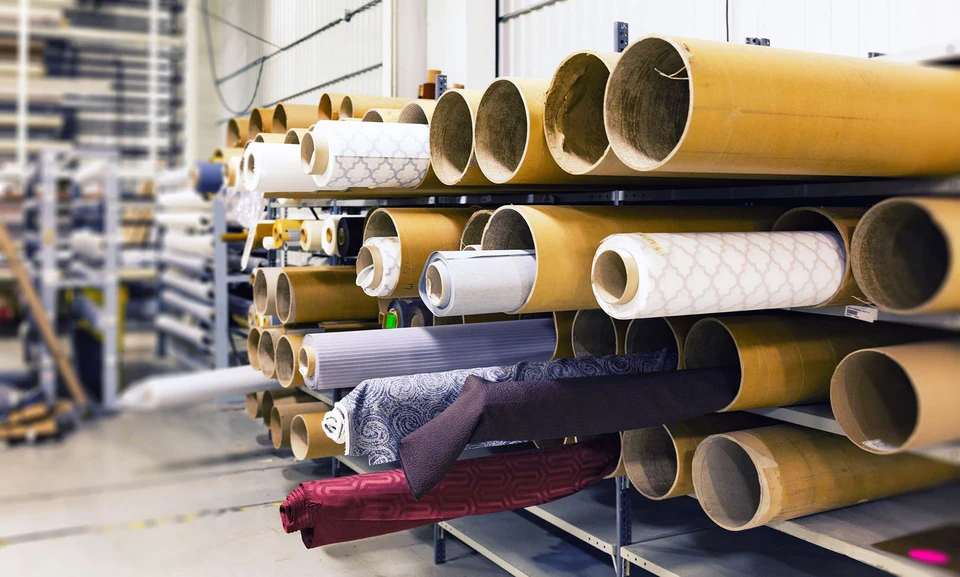
  • Create a coordinated rangeCreate a coordinated range

    Connect colours, trims and branding across the collection. Confirm each style separately before bulk approval.
Product lines

ODM collections

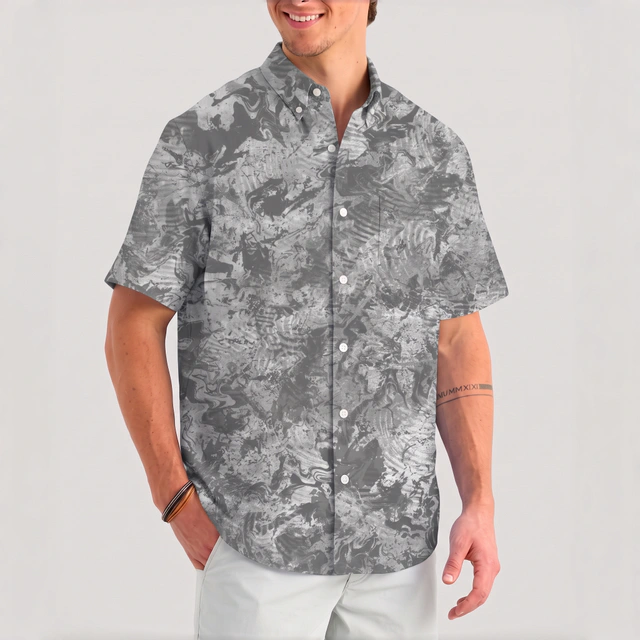
ODM Button Down Shirts Development

ODM Button Down Shirts Development

Develop the shirt around its intended smart-casual, resort or uniform use. Compare fabric drape, opacity and collar structure before settling pocket and cuff details.

ODM Golf Polo Development

ODM Golf Polo Development

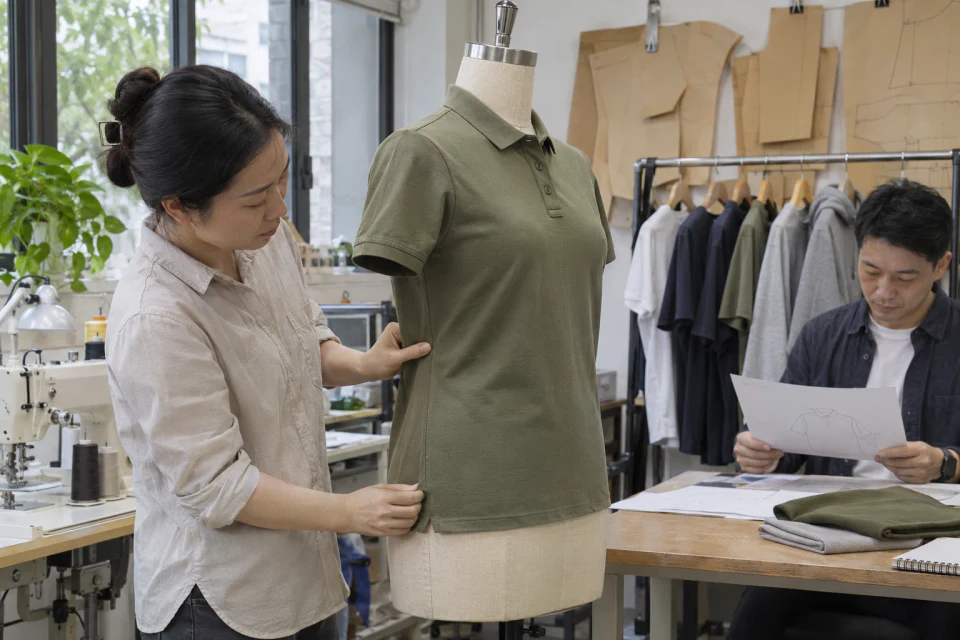
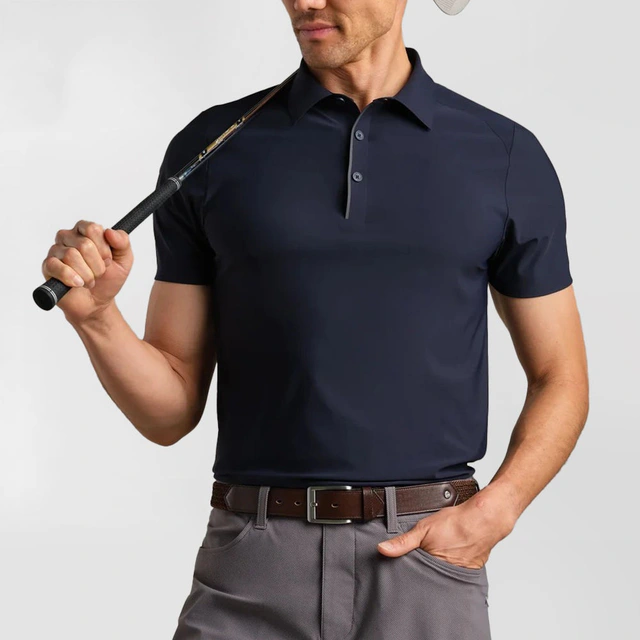
Develop a polo around the intended golf or leisure use. Compare pique and smooth structures, then check collar support and arm movement together on the garment.

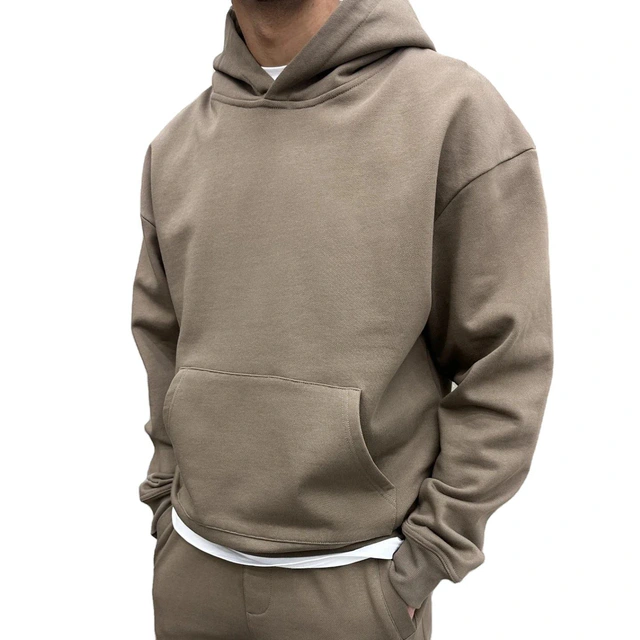
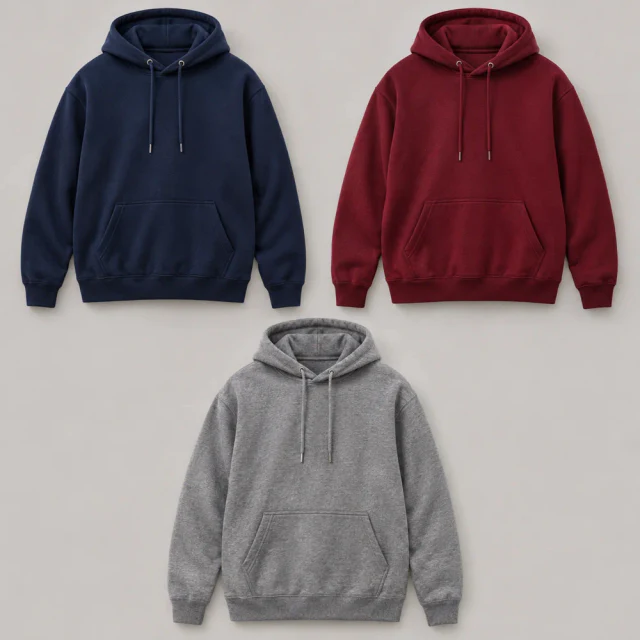
ODM Hoodies Development

ODM Hoodies Development

Develop the intended volume, shoulder line and hood shape together. Compare brushed and unbrushed constructions and test a decoration sample before settling fabric and trims.

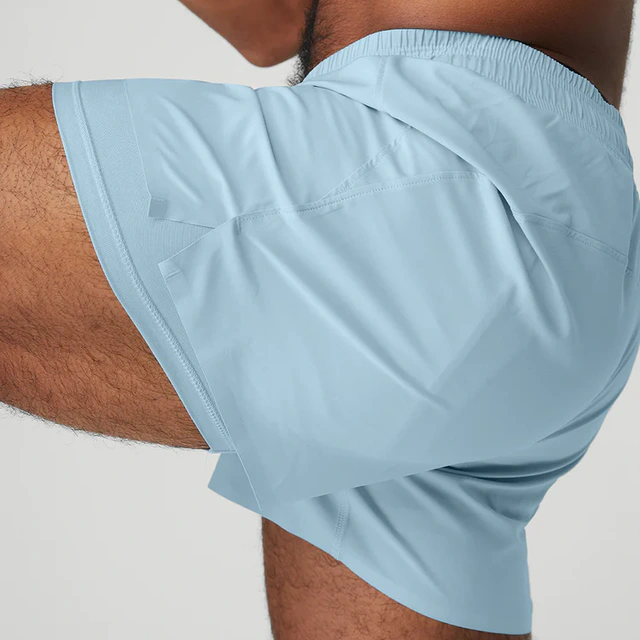
ODM Shorts Development

ODM Shorts Development

Choose the use first: training, everyday leisure or a beach-oriented brief. Compare stretch, weight, pocket access and any lining on a sample before confirming the pattern.

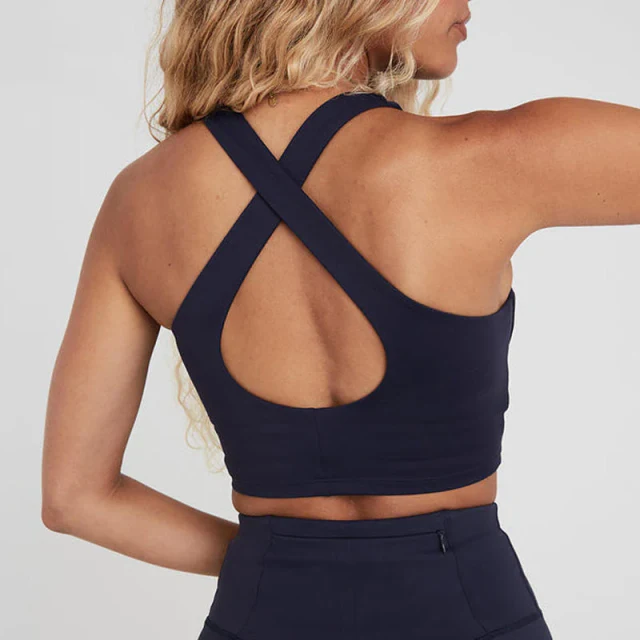
ODM Sports bras Development

ODM Sports bras Development

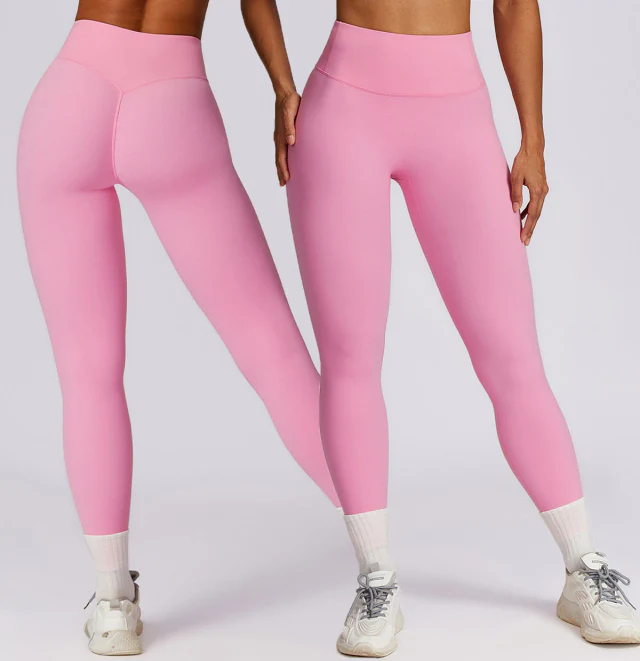
Choose the coverage and support direction before developing strap and panel layouts. Review the lining, elastic and main fabric as one construction during fit assessment.

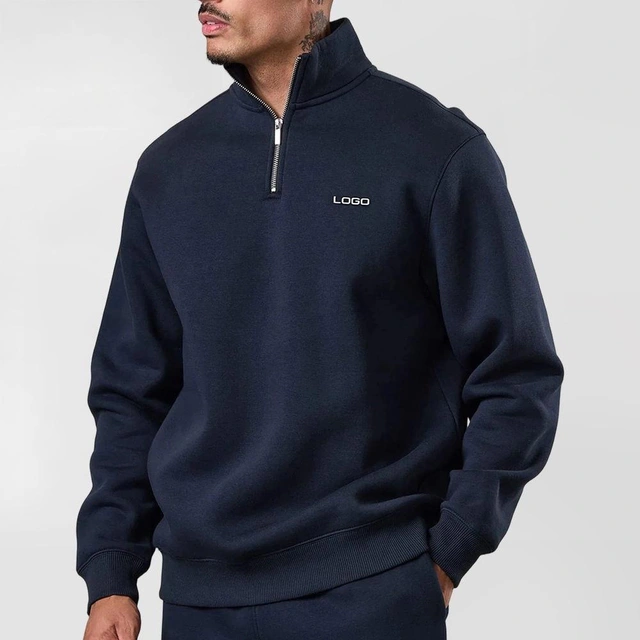
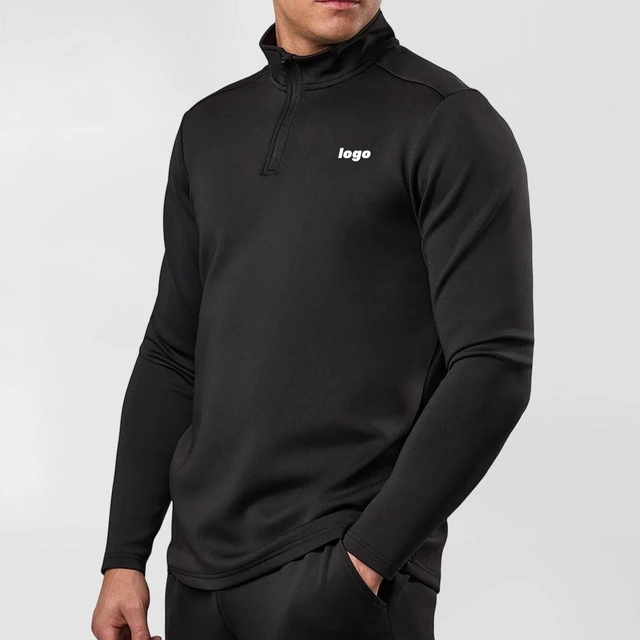
ODM Sweatshirts Development

ODM Sweatshirts Development

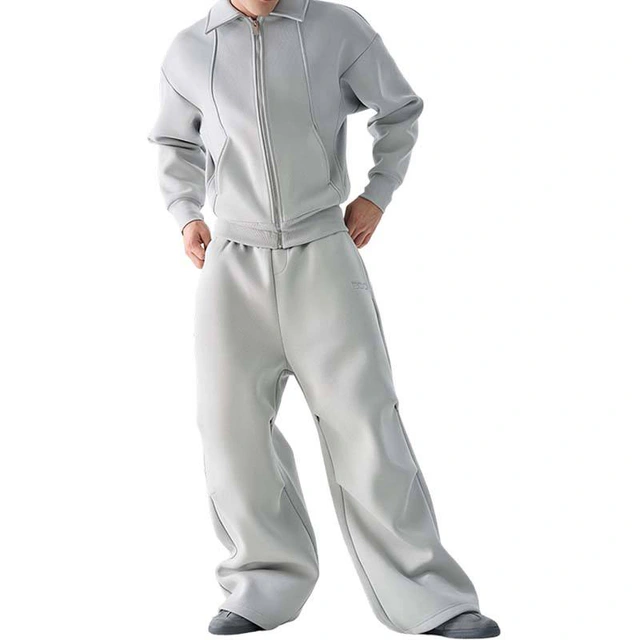
Build the sweatshirt silhouette around its intended layering and weight. Compare loopback and brushed hand-feel, then assess dropped shoulders and rib tension on a sample.

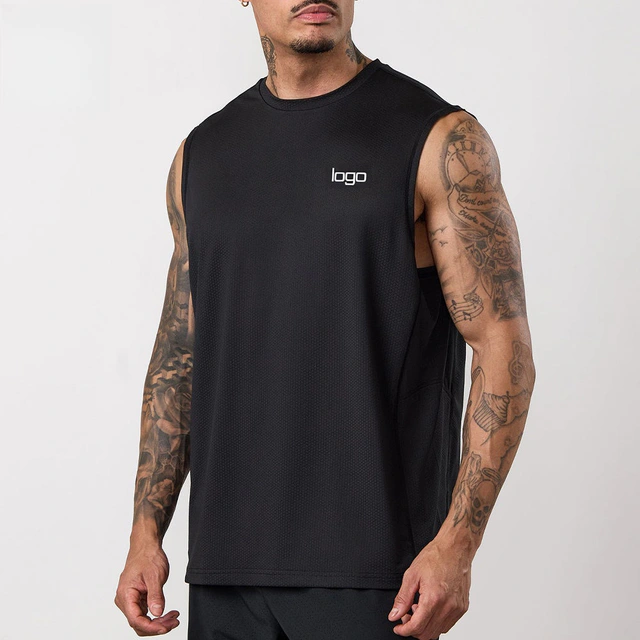
ODM Tank Tops Development

ODM Tank Tops Development

Develop the tank for training, layering or casual use. Evaluate coverage and arm movement before choosing a bound edge, rib trim or self-fabric finish.

ODM T-Shirts Development

ODM T-Shirts Development

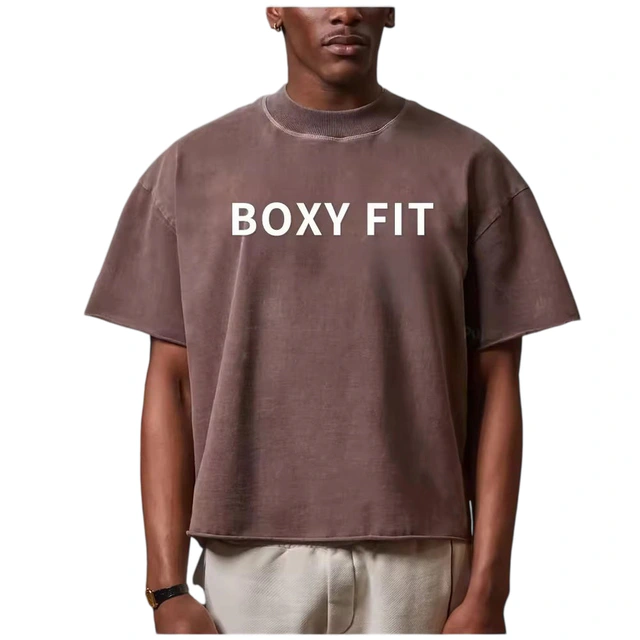
Start from the silhouette and hand-feel: fitted training tee, regular everyday cut or a wider streetwear shape. Compare weight, knit structure and decoration on samples.

Turn a collection idea into a focused development plan — material and construction reference

Turn a collection idea into a focused development plan

ODM clothing development is suitable when the product direction is known but the complete specification still needs work. Explain your customer, wearing occasion, season and intended fit. Reference styles help communicate features to retain or change; they are not a promise of stock availability or design exclusivity. Prioritise a manageable group of styles and distinguish shared fabrics or trims from decisions that need a separate solution. This keeps collection development connected to a real sourcing and sampling plan.

  • Describe the target customer, range and wearing requirements
  • Mark what changes from the reference and what should remain
  • Provide quantities, target positioning and destination for feasibility discussion
Product lines

More ODM collections

Develop materials, shape and brand details together — material and construction reference

Develop materials, shape and brand details together

A different fabric can change the way a silhouette sits, even when the drawing remains unchanged. Compare identified material options, then review them in the proposed garment with its seams, trims and decoration. A private label collection may share colours or labels, but every style still needs its own fit decision. Agree the pattern and artwork arrangements for the project rather than assuming a reference image transfers rights. Keep open design choices visible while the sample is being refined.

  • Record material references, finishes and intended care
  • Check fit, construction and logo application as a garment
  • Confirm artwork authorisation and project-specific design arrangements
Move from development samples to an approved range — material and construction reference

Move from development samples to an approved range

Consolidate sample feedback by style and identify which changes affect the whole collection. A new shared fabric or colour can require several styles to be reviewed again. Before bulk production, freeze the approved specifications, size allocation, branding files and packing rules. Discuss minimums and delivery dependencies for each style-colour combination. Development timing and costs depend on the number of decisions and revisions still open; a catalogue reference does not establish a universal development fee or production period.

  • Approve the final sample version for each style
  • Reconcile shared colours, components and mixed-size sets
  • Confirm development scope, quotation and production starting conditions

From direction to an approved collection

  1. 1

    Define the range

    Customer, use, references and planned quantities.

  2. 2

    Review proposals

    Select the material, silhouette and details to develop.

  3. 3

    Refine the sample

    Review fit, workmanship and branding together.

  4. 4

    Release production

    Approve the specification, allocation and inspection plan.

What to agree before ODM development

Keep the development scope and approval references clear. Changes to fabric, fit or artwork may require another sample and an updated quotation.

ItemWhat to confirm
Design scopeWhich elements come from the reference and which need new development.
Sample and revisionsSample quantity, review rounds, charges and the agreed approval version.
Branding and rightsArtwork permissions, ownership of new work and any exclusivity agreed in writing.
Bulk arrangementsStyle-colour-size allocation, material minimums, packing and delivery requirements.

ODM development questions

Do I need a complete tech pack?

You can start with references and a brief. Measurements, materials, construction and branding still need to be documented and approved before bulk production.

Can an existing style be adapted?

Discuss the changes you need. Fabric availability, construction and fit determine whether a change is practical; review the result on a sample.

Does ODM mean an exclusive design?

Exclusivity is not automatic. Agree the scope, ownership and permitted use in writing before development.

How are price and timing confirmed?

Send the style brief, quantities and destination. Development work, revisions and material availability are assessed in the quotation and schedule.

Prepare your next purchasing decision

FAQ
Request a quotation

Discuss your ODM references

Select a reference category and list the details to retain, change or develop. Catalogue images are references; available materials and order conditions require confirmation.

Category (Select multiple)
Estimated quantity (Select one)
Business type (Select one)
Attachments (optional)
Phone / WhatsApp
Review inquiry list (0)

Your inquiry list is empty. Add products you would like to discuss.

Custom Apparel Product References