
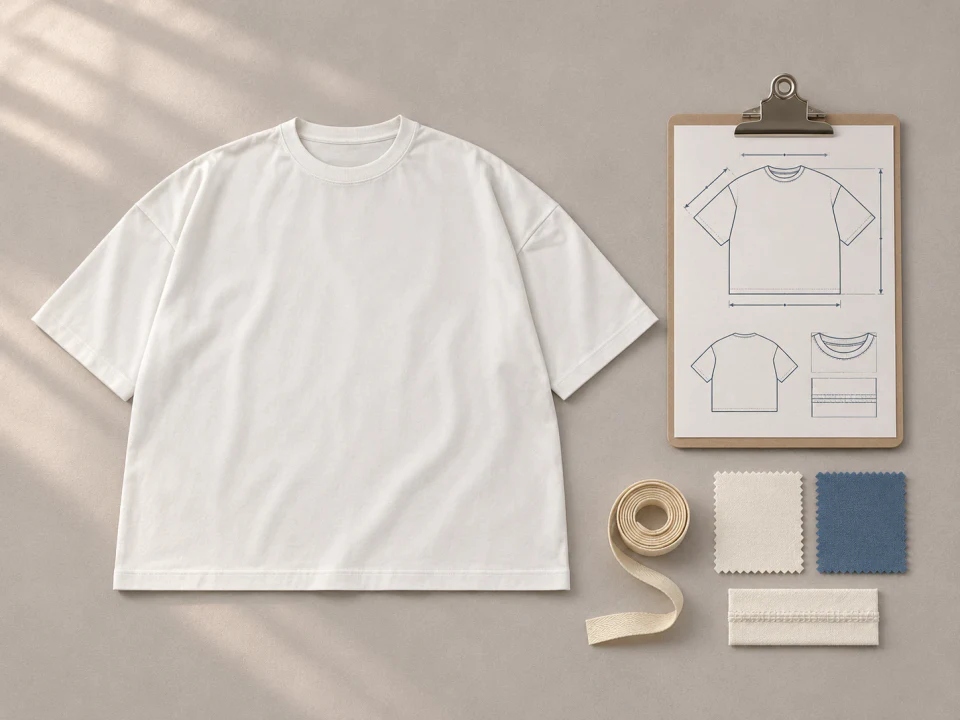
You can start with a reference, but close the specification gaps
A complete tech pack is not the only starting point for a development discussion. A reference garment, clear photographs and a written change list can communicate your direction. Before sampling, agree who converts that direction into measurements, materials and construction instructions. Photos alone cannot establish fabric performance, fit or production cost.
Resolve conflicts between a reference and a written brief
A physical reference communicates three-dimensional shape and handfeel; a written brief communicates the changes and measurable requirements. If the two disagree, identify the controlling detail before sampling. Mark the reference with its size and date and explain whether it represents fit, fabric or construction.
Build the missing specification during development
Ask who will create the measurement sheet and material list from the reference, what files will be delivered and how revisions will be recorded. After reviewing the first sample, consolidate accepted details into a controlled brief. A reference remains useful, but it should not carry undocumented production decisions.
Prepare a usable reference set
Photograph the front, back, inside seams, neckline, closures, pockets and branding details. Record the reference size and how each flat measurement was taken. Explain whether the reference represents fit, construction, handfeel or appearance. Use only designs and artwork you are authorised to use.
Example: turn a loose hoodie idea into a brief
Illustrative example, not a customer case: keep the dropped shoulder and pocket shape; change body length and logo position; leave fabric weight undecided. Mark the proposed length on a reference photo and supply a measurement method. Ask to compare physical swatches for the undecided material rather than requesting only a thicker fabric.
Copy the first-sample brief
- Wearer, intended use and destination market:
- Reference size, photos and measurement method:
- Keep: details approved as the starting direction:
- Change: detail, proposed measurement or annotated image, and reason:
- Undecided: material or construction options to assess:
- Size range and quantity by style and colour:
- Artwork file, dimensions and placement reference:
- Sample deliverables, revision scope and target review date:
Confirm the cost and responsibility before work starts
Ask whether the proposal includes pattern development, material sourcing, sample making, shipping, revisions and the final specification file. Confirm which material substitutions need approval. A sample made in available material may be useful for fit but cannot approve the intended bulk fabric. Do not assume sample charges are credited against a later order.
Review the sample with one revision record
Use a dated record with the sample version, point of measure or detail, observation, requested change, annotated photo, owner and approval status. For example: body length differs from the brief; record the actual and requested measurements using the same method. Consolidate feedback from your team before sending it. A request is not an approved revision until reviewed.
Close the gaps before bulk production
Consolidate the approved sample, measurements and tolerances, material identity, colours, artwork and packing instructions. Review the size range separately; a successful base-size fitting does not approve every size. Keep unresolved items visible and agree who closes each one before production release.
Questions buyers ask
Can I get a firm bulk quote from a photograph?
A photo supports initial discussion; missing material, construction and quantity details limit quote accuracy. Ask which assumptions a preliminary estimate uses.
Who should create the technical pack?
Agree this in the development scope, including file formats, ownership and updates after sample revisions.
Send a reference for development discussion
Submit reference photos, your keep/change/undecided list and quantity plan through the project enquiry form. See development services for related support. For background on specification documents, read the .
Related buying decisions
- Clothing Tech Pack Checklist: What a Manufacturer Needs to Quote and Sample
Prepare a versioned garment specification with measurements, materials, artwork and open decisions for manufacturing review.
- Clothing Sample Feedback: A Revision Sheet Buyers Can Use
Turn fitting observations into clear, versioned sample comments with measurements, photos and approval decisions.
Further reading
. Review this alongside the project-specific specification; supplier examples are not Yumulin commitments.