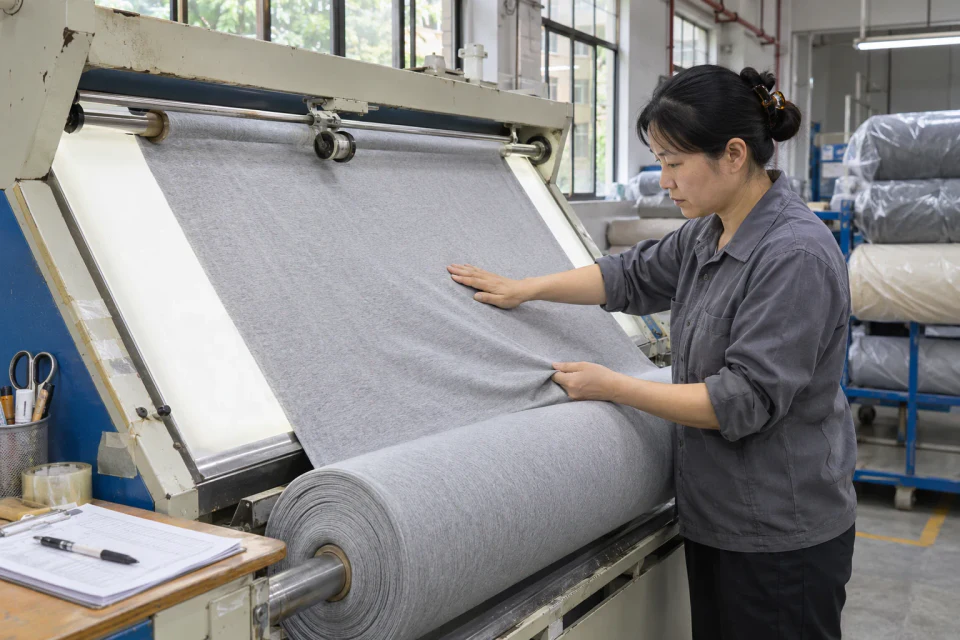
01Select fabric for the actual garment
Start with fit, movement, care and the desired life of the garment. Compare composition, construction, weight and finish on swatches, then review the finished sample. A recycled fibre or a natural fibre does not by itself establish the environmental performance of the whole product; evaluate the actual sourcing and use requirements.
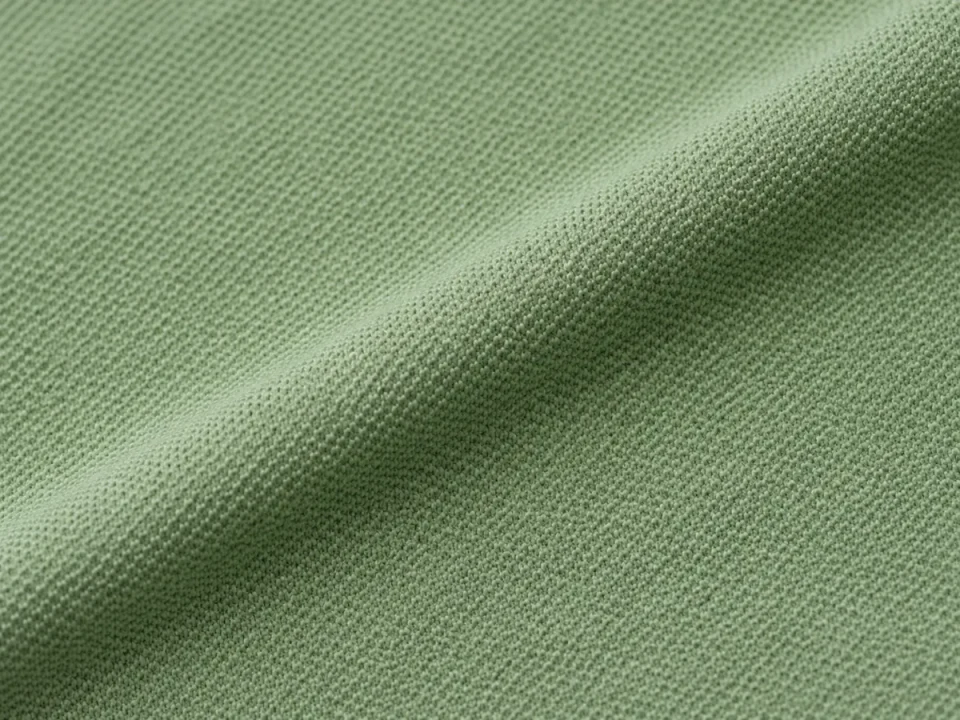
02Match recycled-material claims with documents
For a recycled-content request, identify the fibre, percentage, product scope and supplier route. Ask which valid scope and transaction documents apply to the proposed goods. Confirm wording and permitted label use with the relevant parties before marketing. Certificate availability, material minimums and additional costs are checked for the project rather than assumed for every order.

03Build durability into the approval sample
Specify measurements, seam construction, trims and decoration together. Agree the wash, colourfastness, pilling or other checks relevant to use, along with acceptance criteria. Inspect the finished garment after the agreed care cycle. Avoid lifetime or performance claims based only on appearance; keep the sample version and test scope linked to the order.
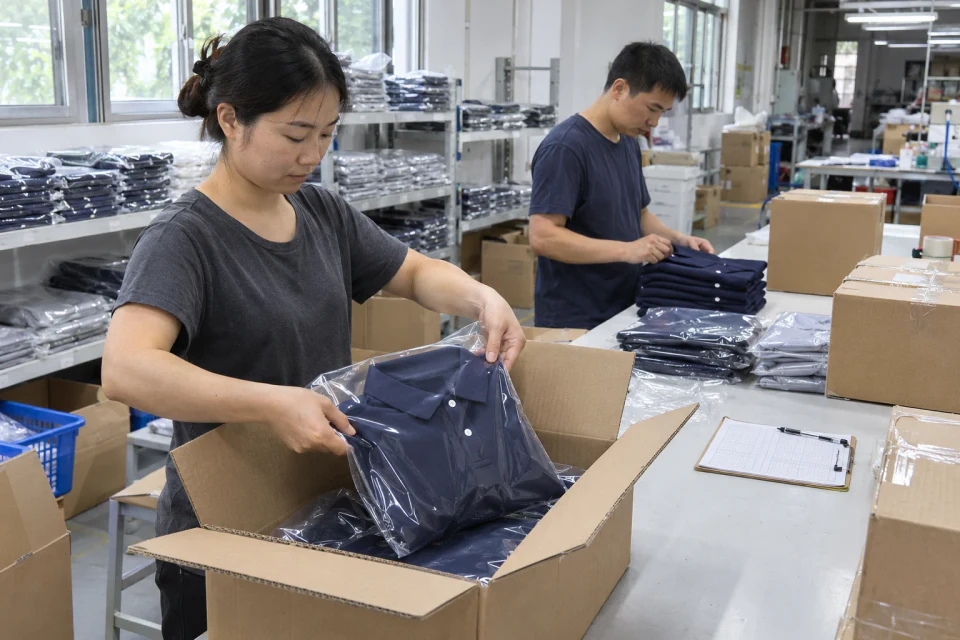
04Right-size garment packaging
Review folding, protection, individual bags and carton allocation against the receiving rules. Explore reducing unnecessary components without compromising the garment or transport protection. If recycled, recyclable or compostable packaging is requested, confirm the precise material and the evidence and local conditions relevant to that claim. Approve one complete packed sample.
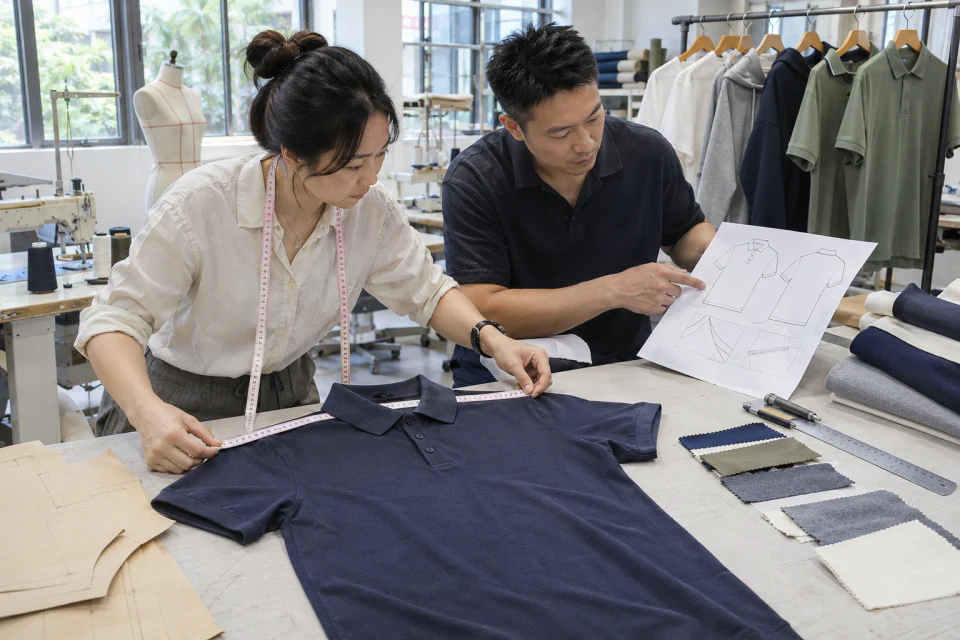
05Keep changes and repeat orders traceable
Connect the approved fabric, colour, trim and packing version with the style-colour-size allocation. Review substitutions before use and retain the agreed change record. For repeat orders, reconfirm shade, material availability and documentary scope. A stable supply plan depends on visible decisions and timely approvals as well as production capacity.
