Define the acceptance basis before production, then connect material checks, in-line reviews and final inspection.
One approved reference, checks at each stage
The approved sample, measurement specification and agreed inspection plan provide a common basis. Record findings against that basis and agree corrective action before shipment release.
01
Pre-production · approve the reference
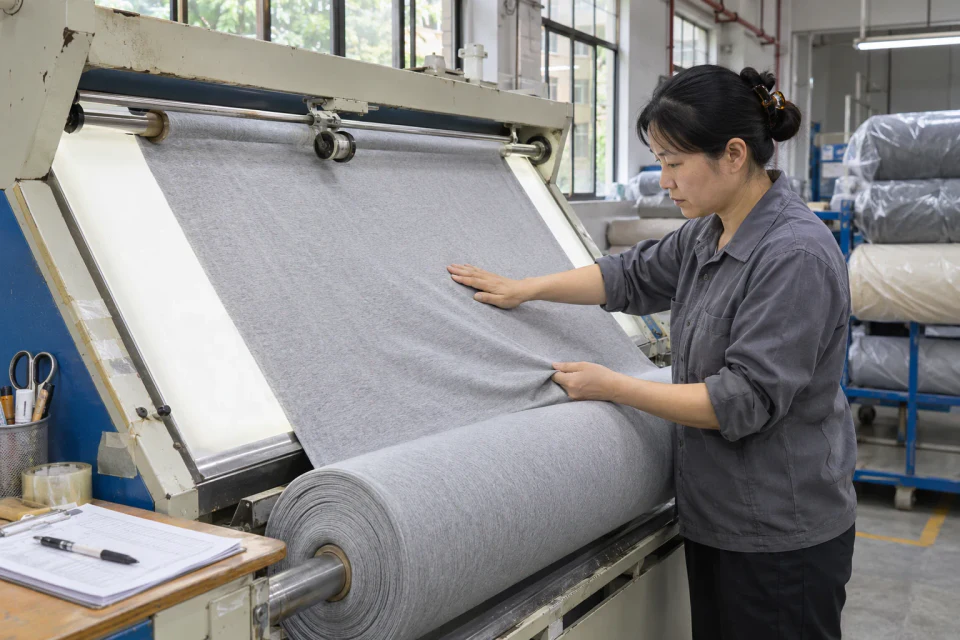
Check fabric, colour references and trims against the approved specification. Confirm the sample, measurement tolerances, artwork placement and agreed inspection plan before bulk production.
02
In-production · follow the work
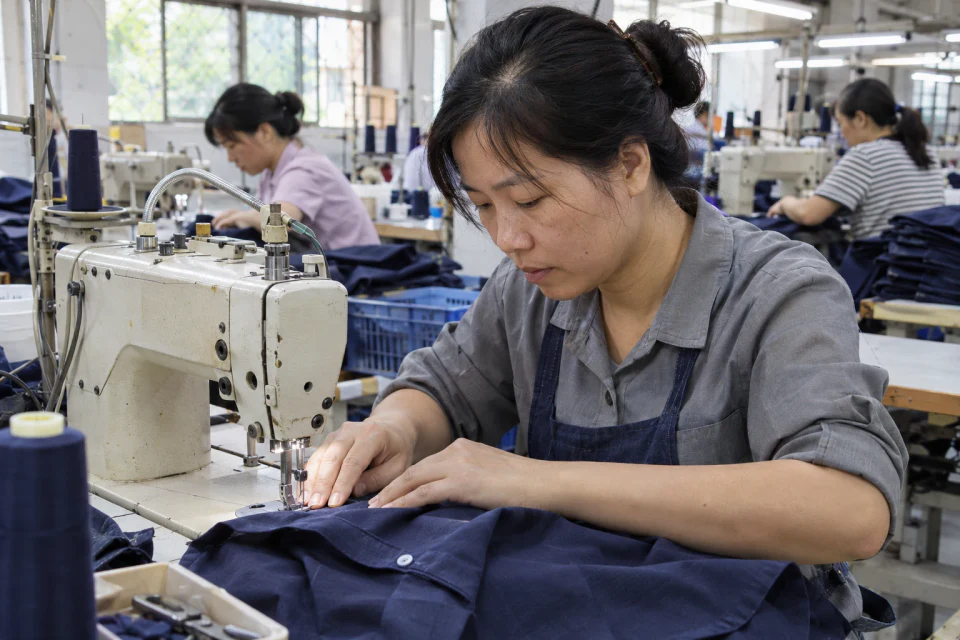
Review cutting and sewing, garment measurements and print or embroidery placement against the current approved version. Record findings and confirm corrective action during production.
03
Post-production · inspect and release
Complete the agreed final inspection and verify labels, size allocation, packing and carton records. Record rework and reinspection where required, then confirm shipment release responsibility.
External laboratory testing is arranged for the agreed product requirements, test methods and scope; visual inspection does not replace those tests.
01
Measure against a defined method, not a visual impression
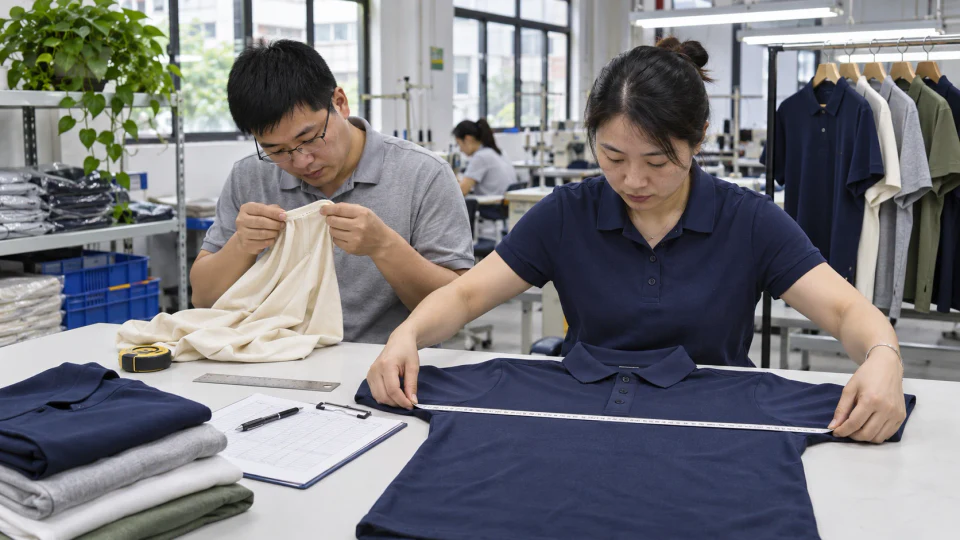
Define measurement points, the garment’s relaxed or stretched state and acceptable tolerances. Compare seam alignment, stitching, openings, symmetry and visible finishing with the approved reference. Identify defects consistently so inspection findings can lead to a clear action.
The checks should reflect the garment: stretch garments, polos and lined jackets have different risks. Agree any special checks before production and keep representative photos or samples. A result should identify the style and specification inspected, not only say “passed”.
02
Separate inspection from performance testing
Appearance and measurement inspection do not establish wash performance, colourfastness or a functional claim. For required properties, agree the method, sample conditioning, care conditions and acceptance limits with the appropriate testing party. Commissioned reports need to match the actual material or product.
Review the scope and validity of any certificate separately from the order inspection. Use our certificate pages as a starting point for requesting relevant documents, not as evidence that every garment has undergone the same tests. Available documentation and additional testing are confirmed for the project.
03
A sampling result still needs a release process
Acceptance sampling checks selected units under agreed rules. It is not a 100% inspection and does not guarantee a defect-free shipment. Agree defect classifications, sampling and acceptance criteria before the inspection so the outcome is interpreted consistently.
When findings require action, identify affected quantities and record correction, segregation or reinspection as applicable. Agree who authorizes release. If an independent inspection is needed, confirm appointment, access, scope, fees and report recipients before dispatch.
A practical checklist for your order
Use these as a project discussion checklist; the documents, scope and fees are agreed for the actual order.
Record
Details to confirm
Measurement record
Measurement points, checked sizes and deviation.
Inspection findings
Defect descriptions, photos and affected quantities.
What should be included in a garment inspection plan?
Define the order and style references, inspection stages, measurement checks, workmanship criteria, packing checks and reporting requirements. Agree defect descriptions, sampling rules and who may authorize release. Inspection scope and fees should be confirmed before production.
Does an AQL inspection guarantee that every garment is defect-free?
An acceptance-sampling inspection assesses a selected sample under agreed rules; it does not examine every unit. Define the sampling plan, defect categories and acceptance limits before inspection. A passed inspection is not a promise of zero defects in the shipment.
Why check shrinkage and appearance after washing?
Washing and drying can change dimensions, surface appearance and colour. Agree the care conditions, test method and acceptance criteria for the intended garment. Review the result before approving bulk material or final care instructions.
Tell us what your business needs to produce
Review inquiry list (0)
Your inquiry list is empty. Add products you would like to discuss.