
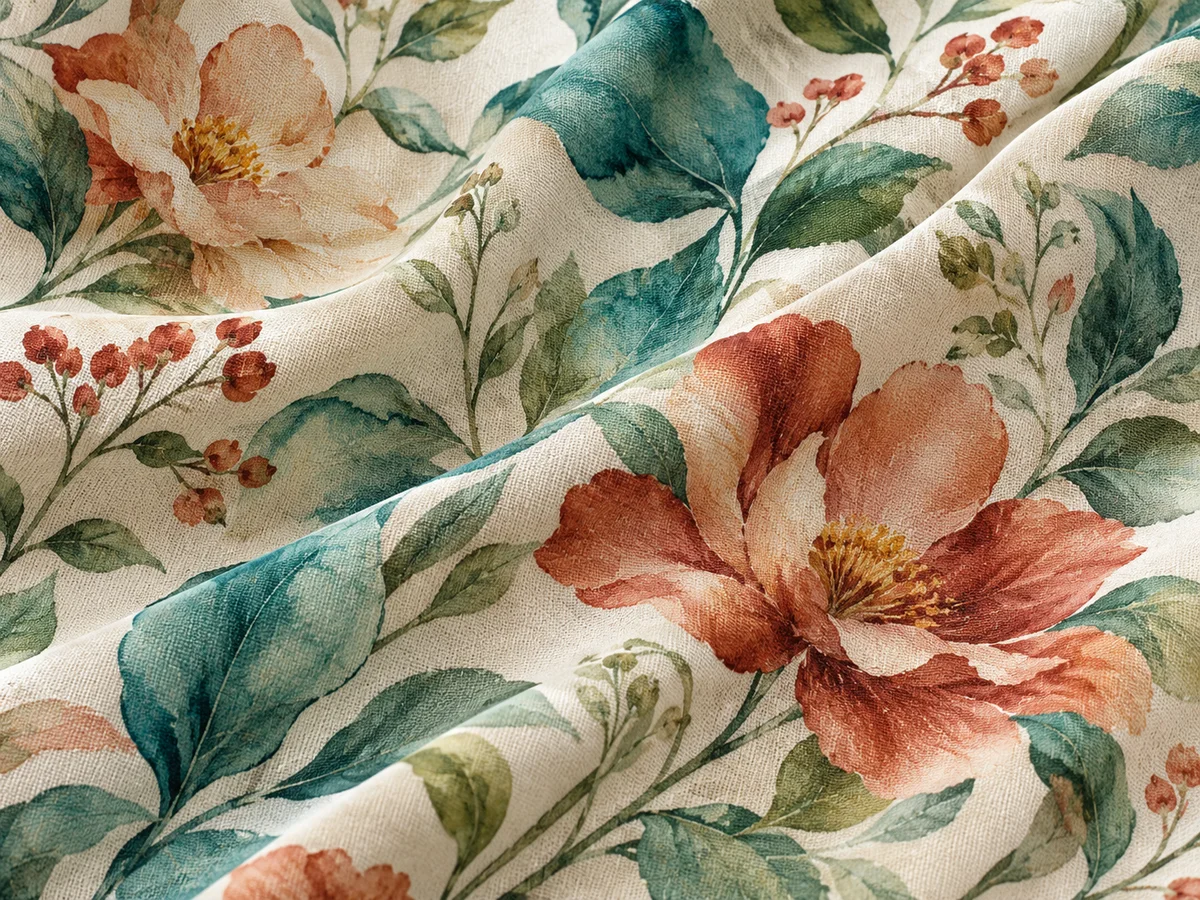
Compare digital printing for your garment brief: Multicolour images, gradients and repeat patterns. Confirm the proposed specification on a physical sample.
Digital files control inkjet output for multicolour, shaded and detailed artwork. DTG is one digital route; direct-to-fabric and transfer routes have different material requirements.
What to compare in the image
This garment images is an example of digital output. Compare colour transitions, fine lines and tonal detail. Digital printing and DTG are overlapping terms, not mutually exclusive technologies.
Properties and limitations
Fibre composition determines compatible inks, pretreatment and fixation. Digital printing does not imply compatibility with every fabric or a particular colourfastness grade.
External visual samples, not a factory sample.
How to specify digital printing
Choose the ink or transfer system for the actual fabric, stretch and finish. Compare graphic size, colour, edge detail, surface feel and adhesion on a physical trial. Review care conditions and any relevant durability checks before the run; one successful application does not prove compatibility with every garment.
What to send for sampling and a quotation
- Garment samples, intended wear and destination market.
- Material composition, weight, colour and the proposed finish.
- Quantity by style and colour, target timing and approval responsibility.
- Artwork dimensions and placement; measurement and care requirements.
Sample approval and repeat orders
Keep the approved material or decorated garment, its revision and the agreed check results together. For a repeat order, confirm the material lot, shade, artwork version and current conditions again. Price, minimums and schedule follow the actual specification; photographs show appearance and do not establish tested performance.
Compare fabric options · Compare decoration options · Prepare a development brief · Agree inspection requirements