Embroidery
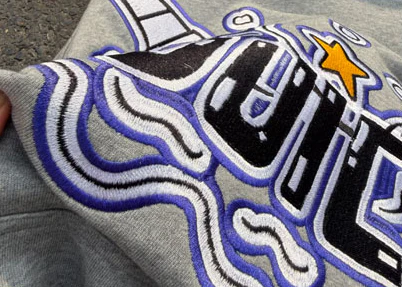
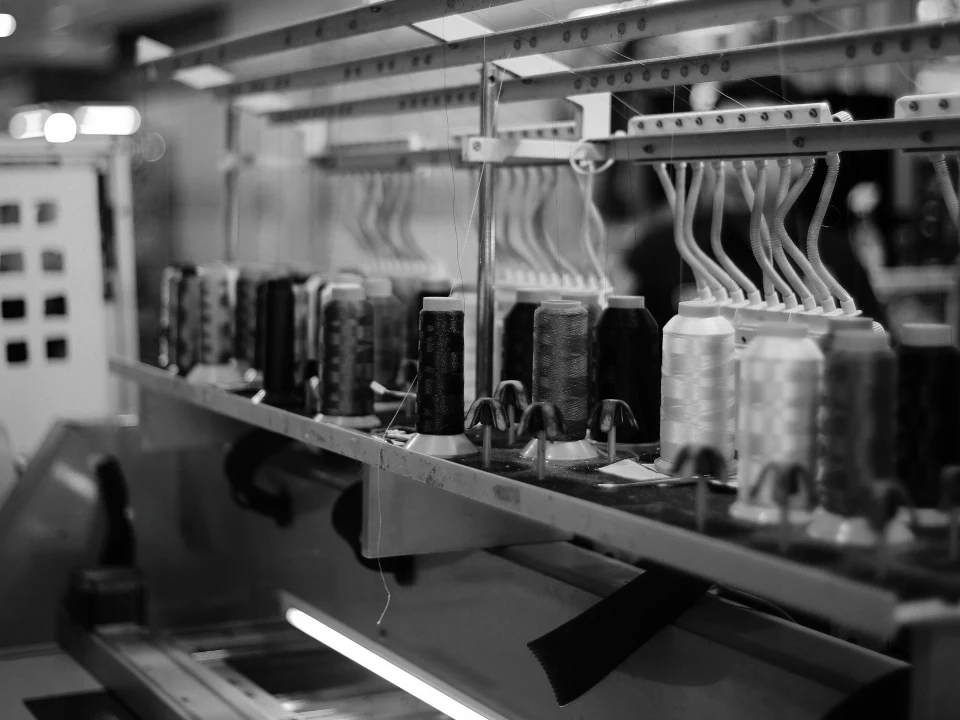
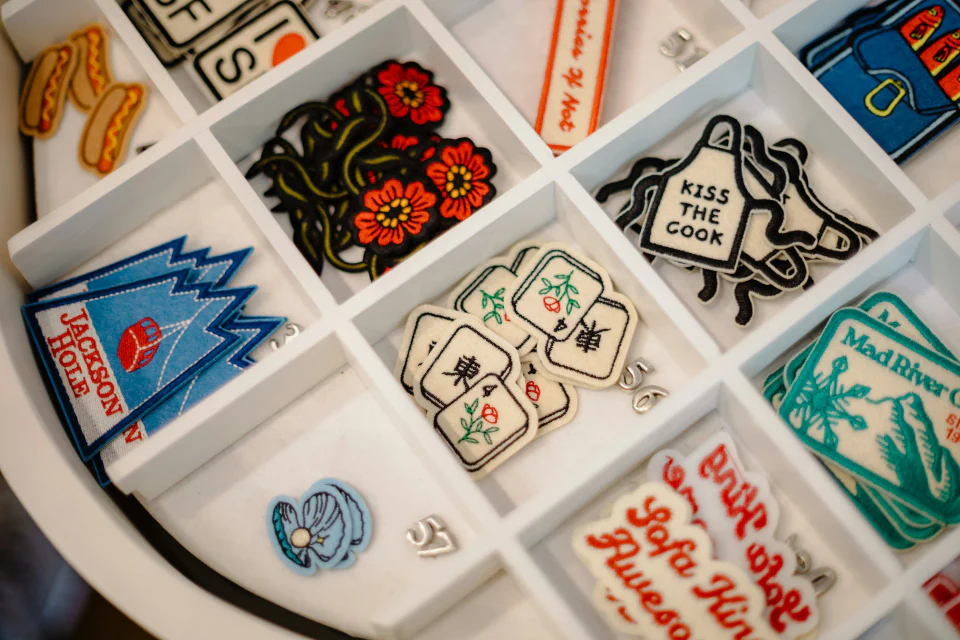
Embroidery forms the motif with stitches. Stitch direction, thread sheen and density affect the appearance; fine lettering needs a suitable stitch plan.
- Applicable
- Consider stitched logos on polos, sweatshirts, shirts or caps. Fabric weight, stretch, backing and access to the embroidery area determine the suitable stitch plan.
Embroidery forms the motif with stitches. Stitch direction, thread sheen and density affect the appearance; fine lettering needs a suitable stitch plan.
Suitable garments and material checks
Consider stitched logos on polos, sweatshirts, shirts or caps. Fabric weight, stretch, backing and access to the embroidery area determine the suitable stitch plan.
Artwork and design limits
Small text and dense fills may cause lost detail or puckering. Confirm thread colours, stitch direction, backing and the reverse-side finish in the sample.
Compare before choosing
Flat embroidery shows a defined stitched surface. Chenille has a loftier yarn texture; compare outline detail, pile and backing for the intended garment.
Questions before sampling
What should I send for a sample?
Send the artwork, finished dimensions, placement, colour references, fabric composition and weight, size range and intended quantity. Include the target market and care requirements.
Can a photograph confirm wash durability or a production price?
No. A photograph shows appearance, not tested durability or a fixed quotation. Agree the sample, test method and acceptance criteria; confirm price and lead time against the actual brief.
Prepare your sample brief
Confirm the fabric, artwork size, colours and placement on a physical sample. Check adhesion or attachment, flexibility and washing results before bulk production.
Continue your material and process brief
More photographic references