

Quality inspection: check the order against what was approved
Define the reference, checkpoints and acceptance criteria before production. Useful quality control connects garment measurements, workmanship and packing to the requirements of your specific order.
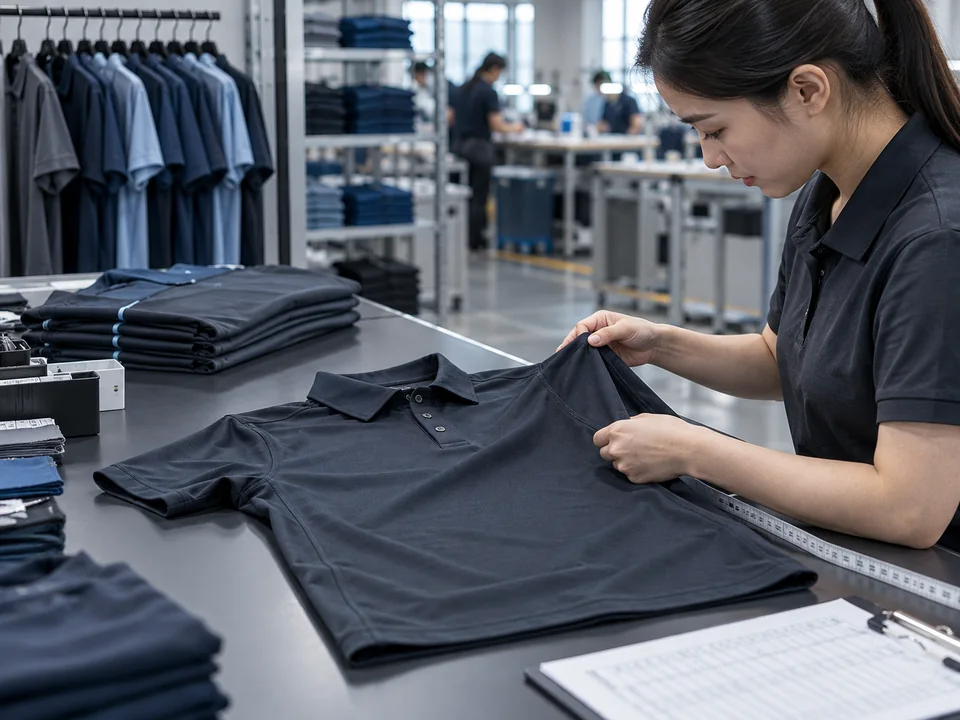
Define what an acceptable garment looks like
Quality is easier to assess when the buyer and inspection team use the same reference. Identify the approved sample, specification version, measurement points and tolerances. Add clear requirements for appearance, construction, decoration and packaging rather than relying on a general request for “good quality”.
Agree the inspection scope before production. If a sampling plan or AQL is required, specify the inspection level, defect categories and acceptance limits in the order agreement. A general website description does not establish an inspection standard for every shipment.
- Measurements, tolerances and the agreed measurement method.
- Visual and workmanship requirements with reference photographs where useful.
- Inspection scope, sampling arrangements and how findings will be handled.
Outcome: a shared checklist that explains what will be checked and what counts as an issue.
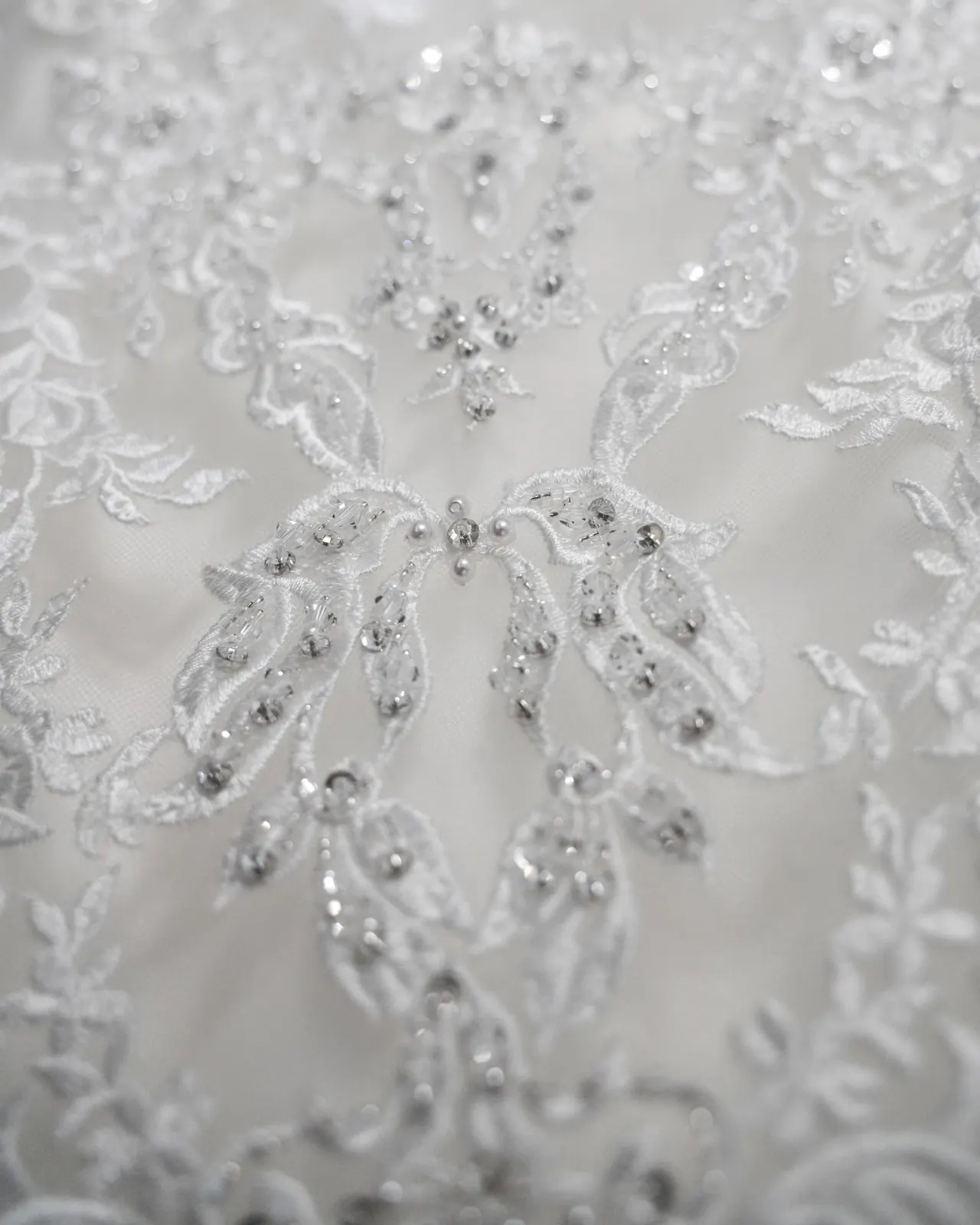
Check the details that affect wearing and presentation
Inspection should follow the garment's requirements. Review finished measurements, seam appearance, stitching, closures and the areas that receive stress during wear. Compare decoration placement, legibility and colour with the approved reference, and check label information and attachment.
Material and performance requirements need the right evidence. Visual inspection alone cannot establish fabric composition, colourfastness or another laboratory-tested property. If testing is required, agree the test method, specimen or batch scope, reporting and acceptance criteria before relying on the result.
- Fit and construction: measurements, seams, pockets and closures.
- Appearance: shade consistency, marks, print or embroidery placement.
- Order details: labels, assortment, quantities and packaging.
Outcome: findings that refer to the actual order specification, with photographs or measurements that make issues understandable.

Resolve findings before shipment release
A finding needs a disposition, not just a photograph. Record the affected style or batch, the issue, the quantity or sample scope and the agreed corrective action. When a correction is made, verify it against the same reference and record the result.
Agree who reviews the inspection outcome and which conditions must be met before shipment. Independent inspection can be discussed where required, with its scope and timing arranged for the order. An inspection report describes the checked scope; it should not be presented as a guarantee of every property of every garment.
- Keep the issue record and corrective action linked.
- Confirm rechecks or further tests required after correction.
- Verify quantity and packing readiness before release.
Next step: move approved goods into packing and shipping with the inspection outcome and remaining release requirements clearly recorded.