
Make garment quality control specific to the order
An apparel quality inspection checklist turns the approved product brief into checks that can be carried out and recorded. Garment quality control should cover appearance, measurements, workmanship and functions relevant to the style, together with labels and packing.
For pre-shipment garment inspection, agree the lot definition, access to goods, documents and the way findings will be reported. AQL inspection planning should be discussed with the inspection provider, including the applicable sampling and acceptance rules; it is not a promise that every piece has been examined or that any fixed defect percentage is automatically acceptable. Keep laboratory evidence for material or safety claims separate from visual and functional inspection records.
Build the inspection brief from approved requirements
Provide the current specification, reference sample and relevant defect examples. Identify measurement methods, sizes, functional checks, labels and packing. Agree the lot and sampling scope with the inspection provider rather than assuming a generic checklist covers the order.
Define the report-to-release decision
Record issues against requirements and assign correction and reinspection actions. Separate visual inspection from laboratory evidence. The report should state its scope, while the order release requires the agreed decision process and documented closure of open issues.
Check incoming material and cutting
Confirm fabric identity, colour lot and visible defects against the approved swatch. Check panel direction, print alignment and key cutting dimensions where relevant. Record any substitution before it enters production.
Measure and inspect finished garments
Use a size-specific measurement chart and written tolerances. Check seam construction, stitch appearance, labels, print or embroidery position, stains, holes and other visible defects. The inspection method and sample size should be agreed for the order; do not assume a universal pass rate.
Record decisions and corrections
List issues by style, colour and size with photographs and quantities. Agree who decides on rework, replacement or acceptance, and whether reinspection is needed. If laboratory tests or a third-party inspector are required, confirm scope, cost and access in advance.
Release packing and shipment
Match garments to the size-colour breakdown, labels, polybags, carton marks and packing list. Keep inspection records with the approved specification and agree who authorises dispatch. Review the quality workflow and shipping workflow for the handoff.
Compare the decisions with your manufacturer
| Decision | Specification to record | What the buyer should verify |
|---|---|---|
| Product reference | Provide approved garment, material, measurements and relevant defect examples. | Make quality expectations specific enough that an inspector can record a result rather than judge an undefined idea of premium workmanship. |
| Inspection scope | Agree lot definition, sampling, functions, packing and the acceptance procedure with the provider. | Keep inspection findings separate from claims needing laboratory evidence and avoid implying that sampling examines every piece. |
| Correction and release | Record affected issues, corrective action and any agreed reinspection. | Retain the decision and references instead of replacing the acceptance rule with an informal instruction to ship under schedule pressure. |
A practical buying scenario
If an inspector finds a repeated seam issue, record its location, frequency and reference photographs, then agree correction and reinspection steps. Do not replace the original acceptance rule with an informal instruction to pass the order. Keep the result and the release decision traceable even when the commercial schedule is under pressure.
Specification and sample checklist
- Check appearance, dimensions and construction against approved references
- Include closures, elastic areas and branding where relevant
- Reconcile labels, size ratios and packing with the order
Decisions to close before production
Agree sampling and acceptance rules with the inspection provider before the visit. A sampled inspection is not a statement that every piece has been examined, and an inspection report does not automatically replace laboratory testing.
Buyer questions about this project
Does an inspection report prove every performance claim?
No. Match each claim to the appropriate evidence and testing scope.
Can the checklist be written after production finishes?
It is better agreed before production so quality expectations and correction decisions are known in advance.
Prepare a project enquiry for Yumulin
Send the approved sample, measurement instructions, critical defect examples and packing specification. Ask Yumulin to coordinate the agreed readiness and correction process, and confirm sampling and test requirements with the selected provider.
Explore custom clothing and development services · Review relevant products and styles
References and related buyer guides
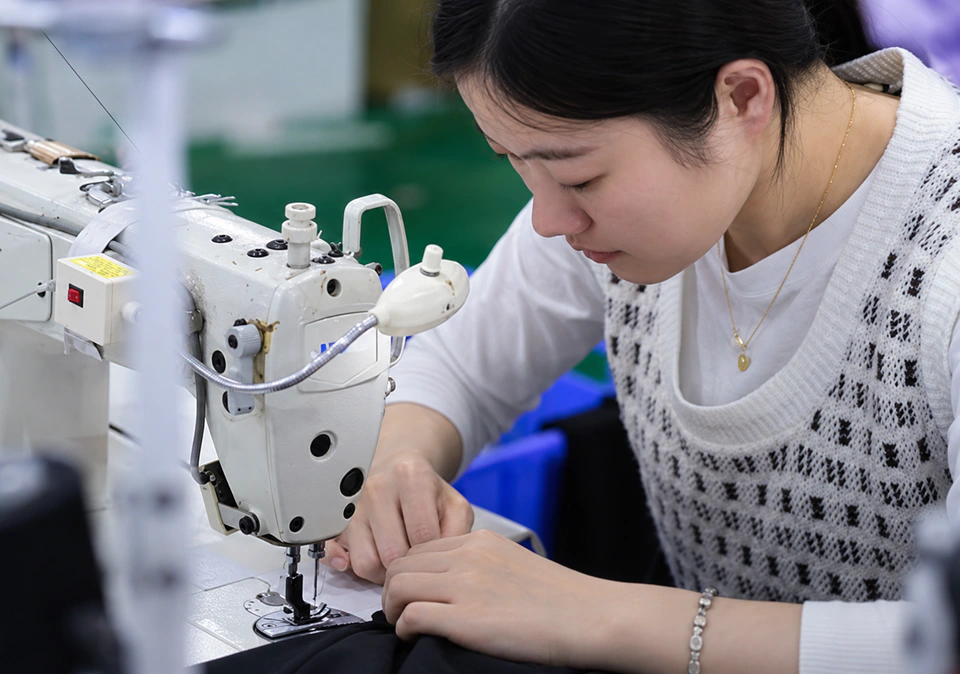
Public technical references inform this guide; the checklist is our project-planning advice. Images illustrate materials or construction, not verified performance results.
Related buying decisions
- Garment Measurement Tolerances: A Buyer Inspection Guide
Agree points of measure, methods and acceptable variation before sampling and garment inspection.
- Garment Quality Problems: How Buyers Should Record and Resolve Them
Build a clear garment issue record, agree corrective action and document the release decision before shipment.
Further reading
. Review this alongside the project-specific specification; supplier examples are not Yumulin commitments.