
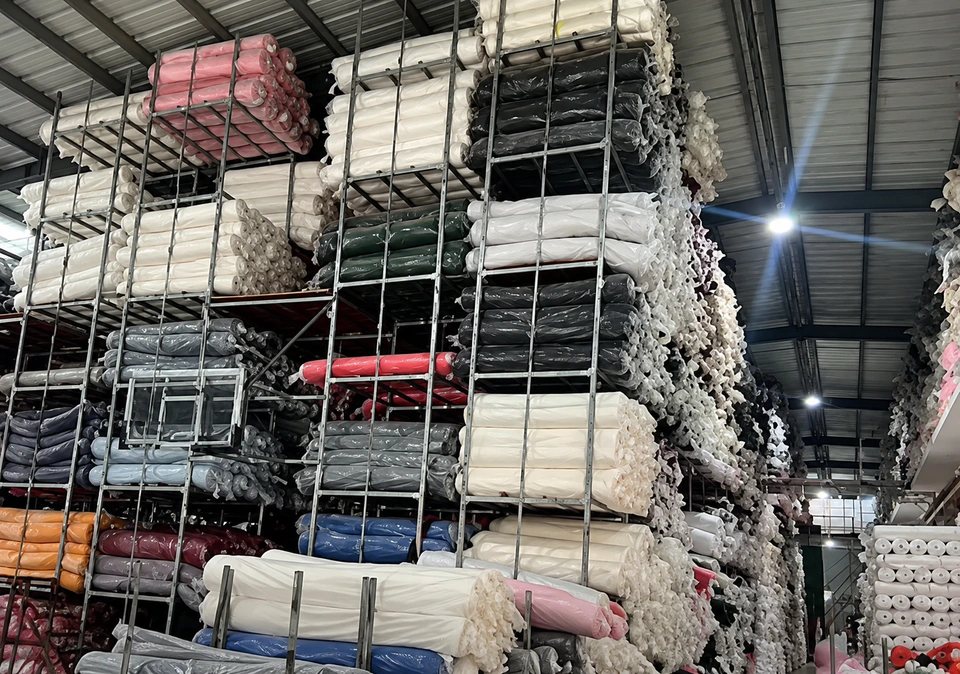
Turn clothing fabric sourcing into a decision sequence
Fabric selection for custom apparel starts with the garment's job and ends with an identified approved material. Clothing fabric sourcing should connect intended use, fit, appearance and care to a shortlist of properties rather than a vague request for premium quality.
The apparel fabric specification then records composition, construction, weight, finish and colour, together with any evidence needed for a product claim. OEM fabric approval should identify whether the sample material is the actual bulk proposal or a temporary substitute. This distinction matters because a successful sample in one fabric cannot settle fit, decoration or care questions for a different material selected later.
Compare structure, fibre and finish independently
List intended use, silhouette, handfeel and care requirements. Ask for the material construction, composition, weight and finish as distinct fields. A familiar fibre name cannot specify every sourcing or garment-performance decision.
Move from swatch selection to garment validation
A swatch supports colour, surface and handfeel discussion; a garment shows drape, seams and component interaction. Record the exact material used and the remaining checks. A later substitution should trigger an impact review for fit, decoration and care.
Translate use into a fabric brief
Record climate, activity, silhouette, coverage and washing expectations. Ask for fibre composition, knit or weave, weight in GSM, stretch direction, recovery, width, finish and available colours. These details help compare alternatives with the same purpose.
Check the swatch and sample
Compare hand feel, opacity, drape and colour in suitable lighting. For stretch garments, review movement and recovery on a fitted sample. Ask what changes after washing and which care instructions apply. If testing is required, agree the method and acceptance criteria before bulk approval.
Test decoration on the chosen material
Print, embroidery and trims can change the fabric surface or drape. Confirm artwork size, placement, colour, hand feel and wash behaviour on the actual fabric. Keep the approved swatch and decoration sample with the dated specification.
Confirm supply constraints
Check available colours, minimum material order, lot consistency and replacement options. A substitute fabric requires a new sample review where fit, colour or decoration may change. See the fabric library for construction examples and send your fabric brief through the project enquiry.
Compare the decisions with your manufacturer
| Decision | Specification to record | What the buyer should verify |
|---|---|---|
| Wearing requirement | Define customer, activity, silhouette and the intended care routine. | Use these inputs to choose the properties worth comparing rather than asking for the best material without a garment-specific purpose. |
| Material specification | Record composition, construction, weight, finish, colour and reference identity. | Keep proposed substitutes visible and identify which properties need separate evidence before attaching performance wording to the product. |
| Garment approval | Review the selected material with its actual pattern, seams, lining and decoration. | Retain the accepted reference and reassess changes before bulk because a successful swatch does not establish the complete assembled result. |
A practical buying scenario
For a close-fitting top, examine stretch and recovery with coverage and seam comfort. For a structured shirt, compare drape, shape retention and collar behaviour. Use the same intended silhouette to compare candidates where practical, and record why the selected material best meets the particular brief.
Specification and sample checklist
- Record composition, construction, weight and finish
- Review feel, drape, coverage and movement together
- Agree which claims or care behaviours need testing
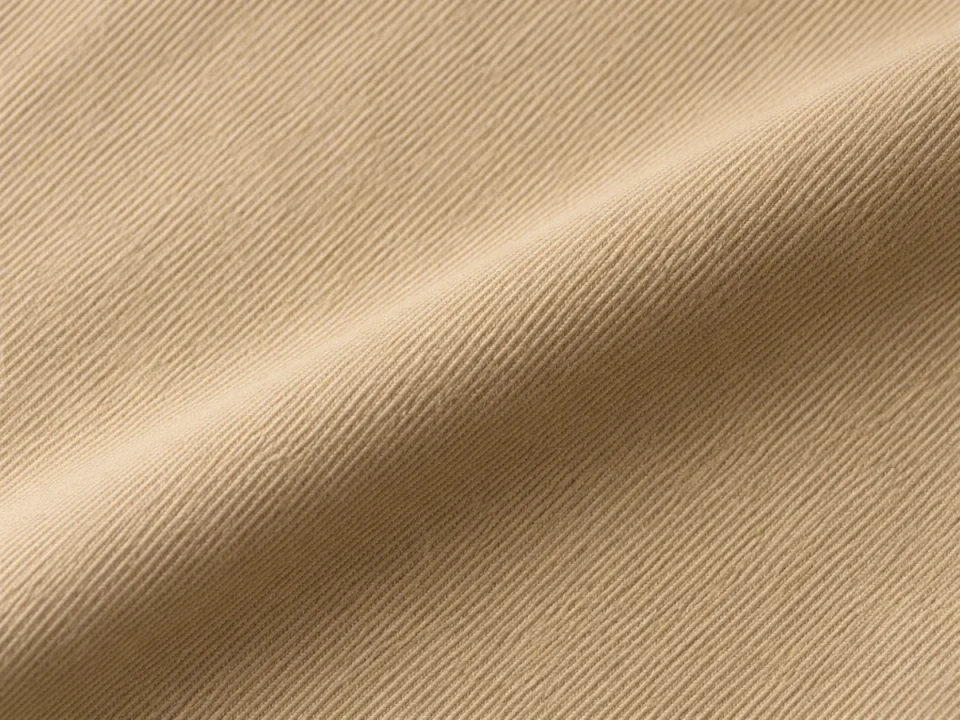
Decisions to close before production
Retain the selected material reference with the approved sample. If the bulk proposal differs, review the difference before production instead of relying on similar colour or a shared fibre name.
Buyer questions about this project
Should I choose fabric by composition alone?
No. Construction, finishing and garment use also affect suitability.
Can an approved swatch replace the finished sample?
It establishes a material reference, while the garment sample checks its interaction with pattern, seams and decoration.
Prepare a project enquiry for Yumulin
Send the use occasion, silhouette, care routine, branding and any existing swatch. Ask Yumulin to propose identified fabric options and explain which assumptions still need sample or laboratory confirmation before the bulk material is released.
Explore custom clothing and development services · Review relevant products and styles
References and related buyer guides
Public technical references inform this guide; the checklist is our project-planning advice. Images illustrate materials or construction, not verified performance results.
Apparel Quality Inspection: Define What Passes Before Production
Related buying decisions
- Fabric GSM for Clothing: Compare Weight, Structure and Finished Fit
Use fabric weight alongside construction, finish and garment samples when sourcing custom apparel.
- Moisture Wicking vs Quick Dry: A Performance Fabric Buying Guide
Build a testing brief around liquid movement, drying and the intended garment use.
Further reading
. Review this alongside the project-specific specification; supplier examples are not Yumulin commitments.