

A clothing project needs one shared specification
Yumulin is based in Humen, Dongguan and works with clothing brands on OEM production and ODM development. A useful first conversation defines the garment, intended customer and information already available. A finished drawing, an annotated photograph and a physical sample each answer different questions; none should be treated as a complete production brief without reviewing the missing details.
For OEM clothing manufacturing, the agreed specification is the connection between the buyer and the production arrangement. Identify front and back views, measurement points, fabric direction, trims and decoration. State quantities by style, colour and size, then record which person approves each decision.
Turn collection ideas into sourcing decisions
A polo range may need collar and placket stability, while a sweatshirt range adds cuff recovery, hood construction and pocket details. Compare materials against the actual garment rather than selecting on fabric weight alone. Construction, usable width, finish and shrinkage can affect fit and consumption. Keep the selected swatch and colour reference connected to the style revision.
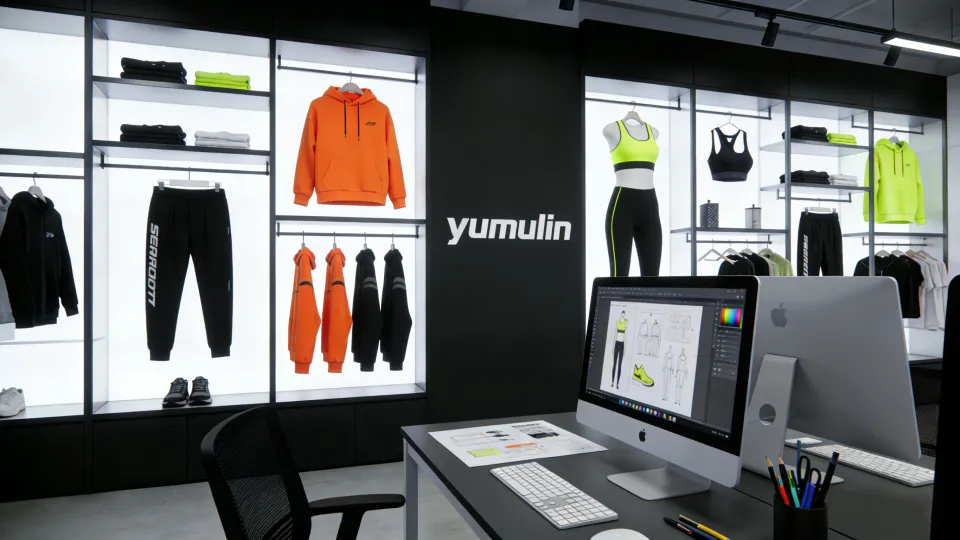
Sampling is the bridge to bulk production
The development sample should resolve the questions in the brief. Consolidate fit comments, material feedback and artwork positions into one revision list. Where a size set or pre-production sample is required, agree its purpose and approval scope before making it. An attractive sample photograph alone does not confirm every size or production detail.
Before bulk release, connect the approved garment to measurements, material references, branding files and packing instructions. Discuss changes to cost and timing when a component or construction changes; the earlier version should not remain in circulation as an equally valid instruction.
Coordinate manufacturing and the release decision
Cutting, decoration, sewing and finishing depend on the garment and selected process. Agree the operations that apply and how work will be checked. Specify inspection points and tolerances before production so the team can distinguish an acceptable variation from an issue requiring correction. A quality plan must also identify who reviews findings and authorises release.
For delivery, reconcile finished quantities, labels, individual packing and carton allocation. The commercial agreement should explain payment milestones and shipment responsibilities separately. Schedule discussions should include material readiness, sample approvals and receiving requirements rather than one unexplained factory lead time.
Prepare your first manufacturing enquiry
- Garment categories and a clear list of changes to the supplied designs.
- Fabric, colour, measurement and branding requirements.
- Style-colour-size allocation, destination and target delivery window.
- Required inspection scope, packaging and project documents.
Continue with our OEM clothing service, clothing sourcing guide and MOQ and quotation guide. These steps help establish a comparable brief; project-specific quantities, fees and timing are confirmed in the written proposal.